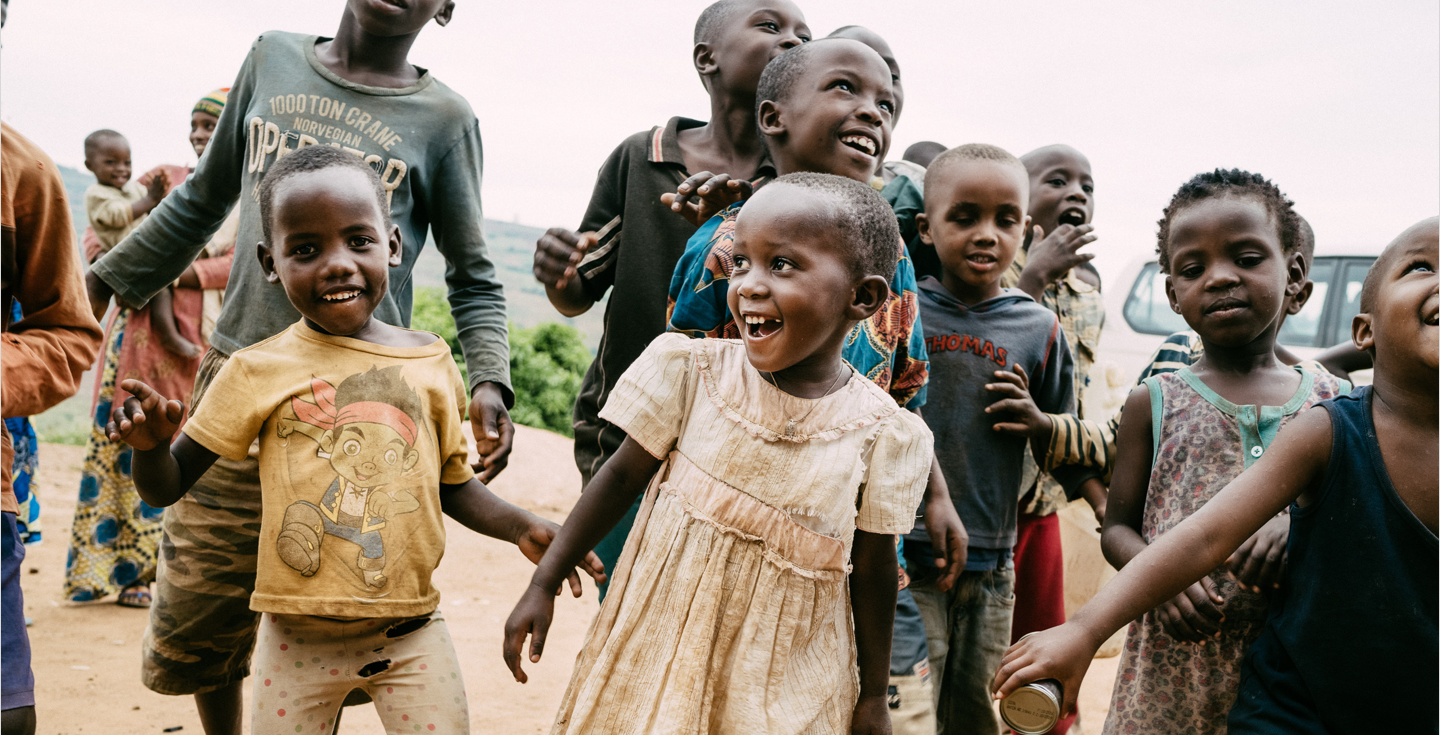
On World Refugee Day, NCHR Affirms: Refugee Protection and Burden-Sharing Are a Shared International Responsibility
The National Council for Human Rights (NCHR) affirmed that this year's World Refugee Day is observed at a time when the region and the world continue to face successive humanitarian crises, compelling millions of persons to leave their homelands in search of safety and protection. The Council underscored that these circumstances give rise to an enduring legal and moral obligation that extends beyond temporary relief assistance, necessitating the full implementation of the human rights frameworks that guarantee equity and justice, and equitable access to fundamental rights for all persons forced to leave their countries, without discrimination of any kind.
Dr. Ahmed Ihab Gamaleldin, President of the National Council for Human Rights, observed that behind every number in refugee statistics lies a full human story, marked by suffering that demands to be acknowledged. He affirmed that the Council approaches the refugee file from a strictly human rights-based perspective, underscoring that safety and justice are not a matter of charity, but constitute the very essence of human rights. He noted that Article 91 of the Egyptian Constitution codifies this principle by prohibiting the extradition of political refugees and granting the right to asylum to the persecuted, in a manner that complements Egypt's obligations under the 1951 United Nations Convention Relating to the Status of Refugees, with the overarching aim of ensuring that every person finds protection and equitable treatment, without discrimination.
Gamaleldin further noted that the provisions of international human rights law — foremost among them Article 14 of the Universal Declaration of Human Rights, which guarantees every individual the right to seek and to enjoy asylum from persecution — are not merely static legal texts, but a living obligation that requires concerted efforts to build an environment conducive to the protection of fundamental rights and to ensure equitable access to essential services, including education and healthcare.
The Council President stressed that addressing the refugee crisis requires going beyond immediate humanitarian responses, calling instead for genuine international political will to resolve conflicts at their root causes, so that safety may be restored to the homes from which people were forcibly displaced. He emphasized that the fulfillment of refugees' rights cannot be achieved unless the international community discharges its responsibilities, including by providing the necessary technical and financial support to host states, in line with the principle of burden- and responsibility-sharing, which remains one of the core pillars of the international response to refugee issues
ssues.
 English
 Arabic
 French