NCHR Discusses Human Rights Guarantees and Principles for Freedom of Information Legislation
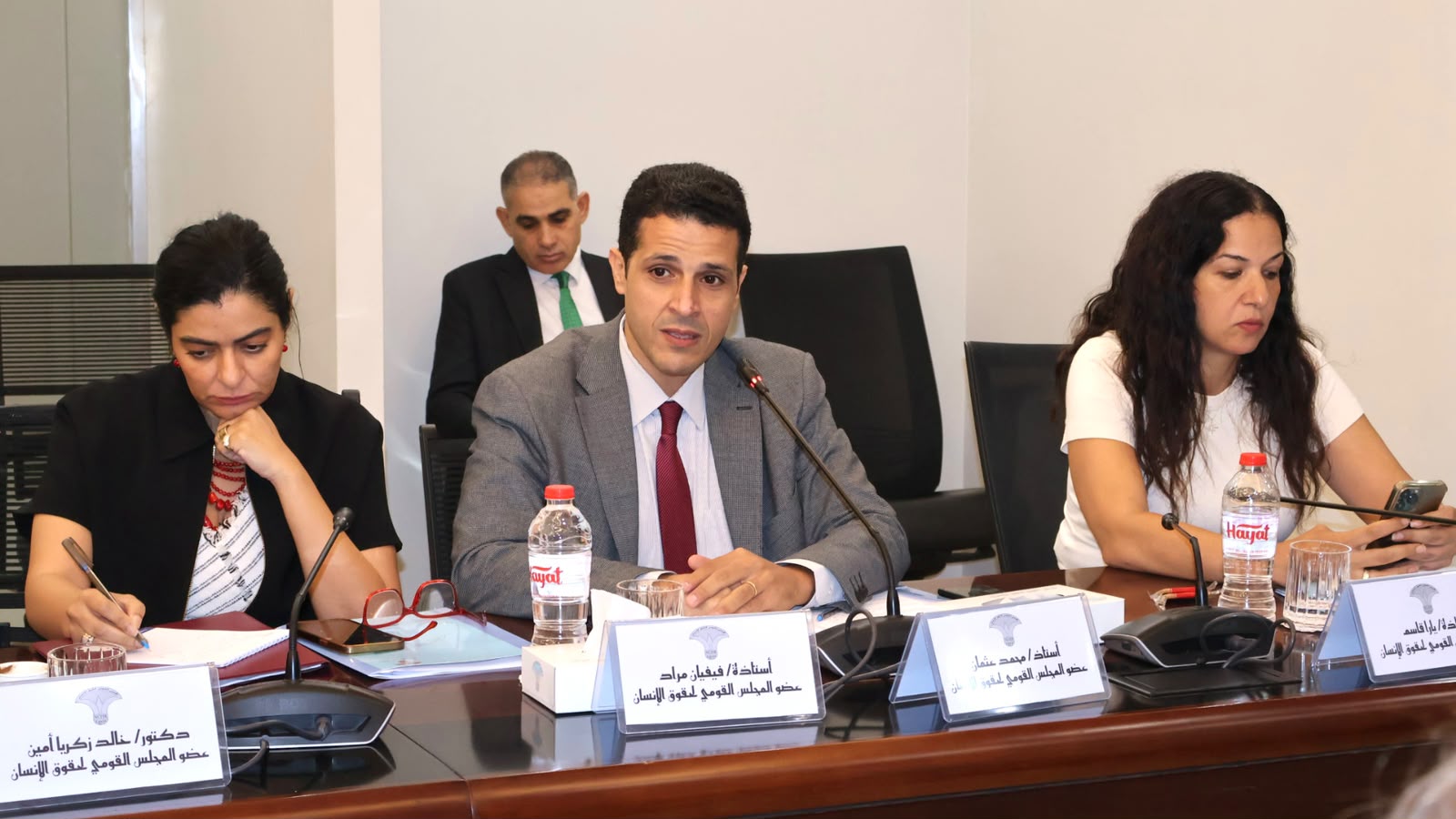
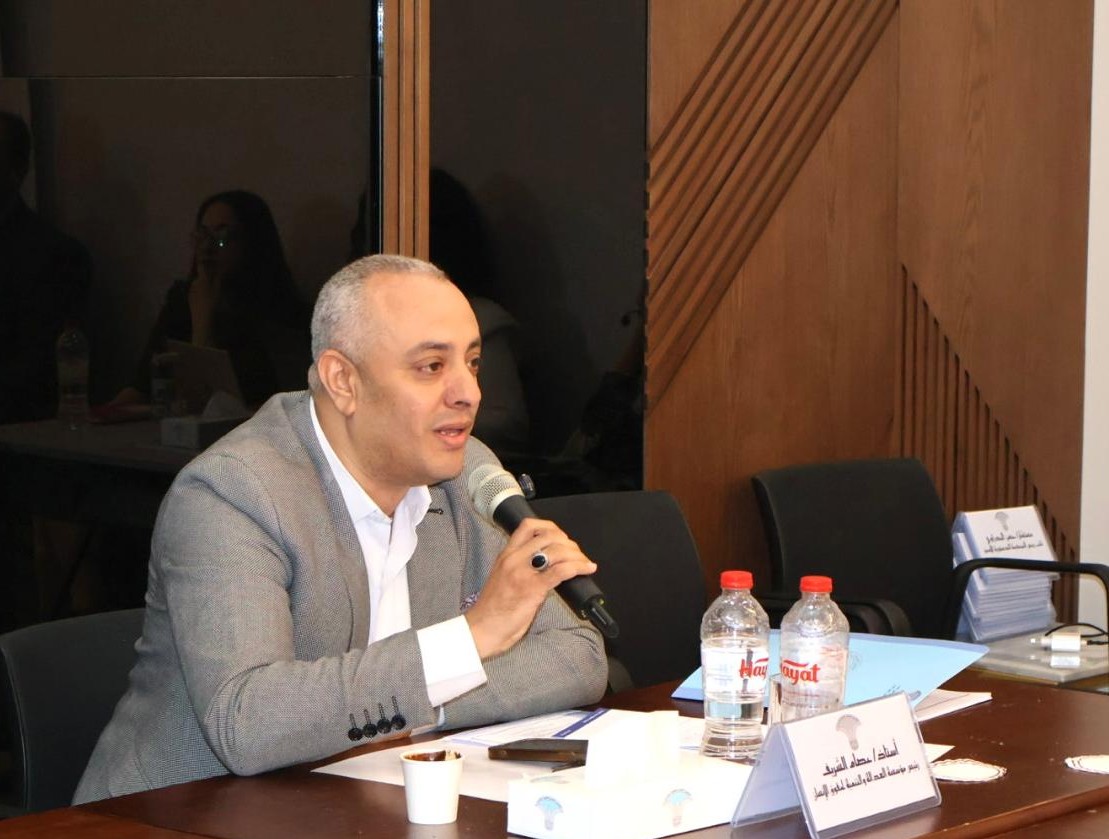
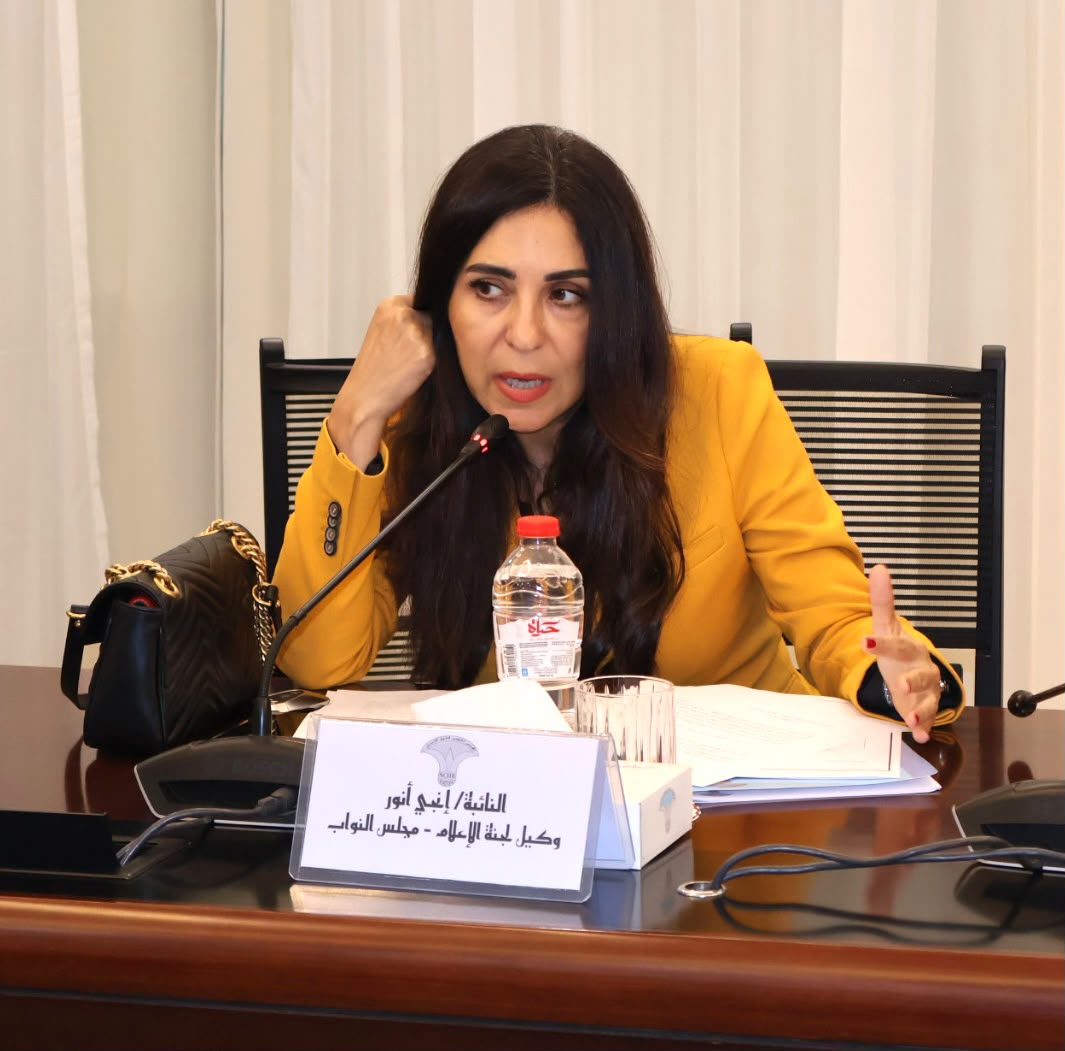
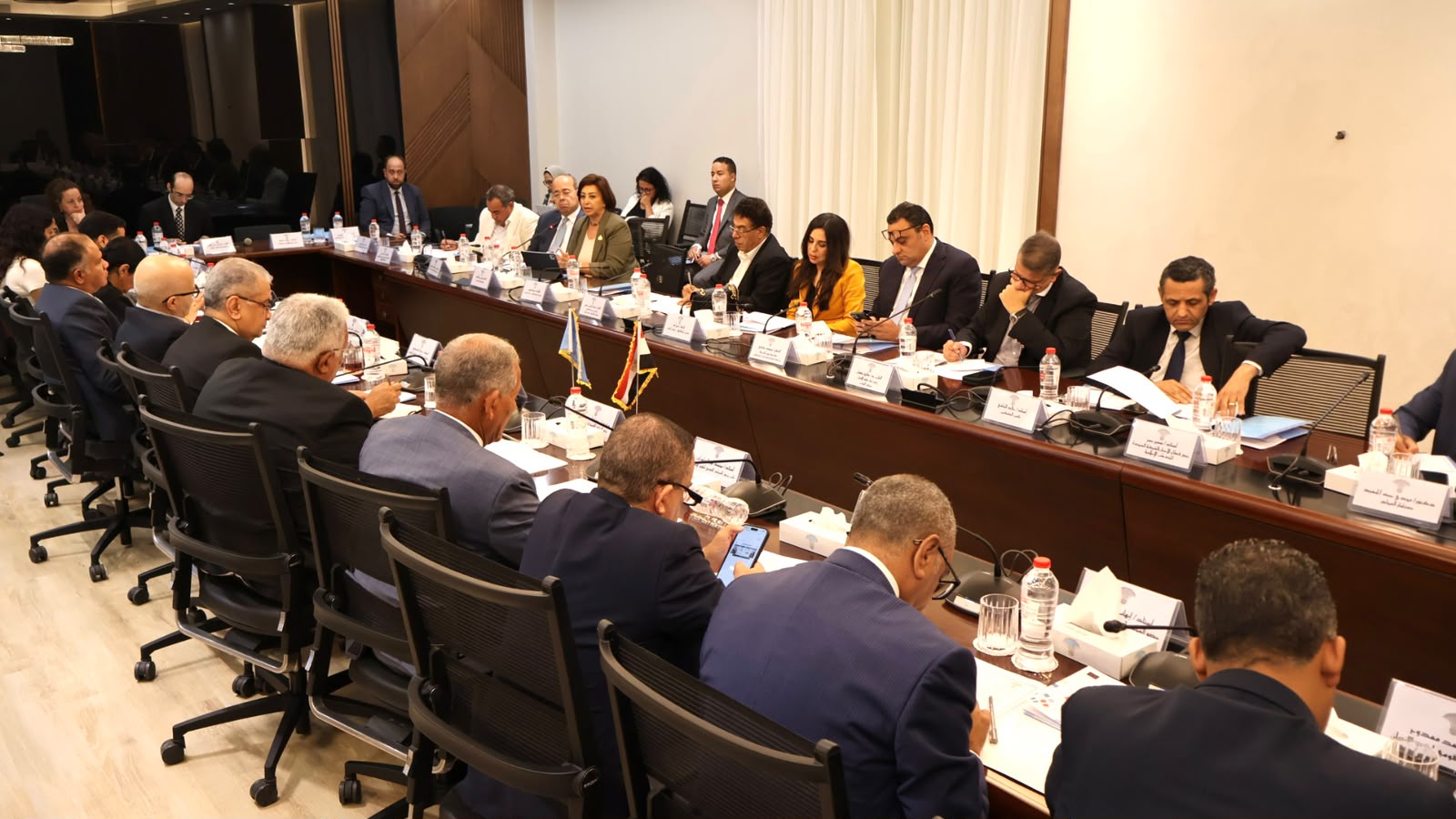
The National Council for Human Rights (NCHR) held on Thursday, 24 September 2026, a roundtable discussion entitled “Human Rights Guarantees and Principles for Freedom of Information Legislation.” The roundtable forms part of the NCHR’s efforts to examine the human rights and legislative framework governing the right of access to information and to develop a comprehensive vision of the safeguards that should be incorporated into any future legislation in this field.
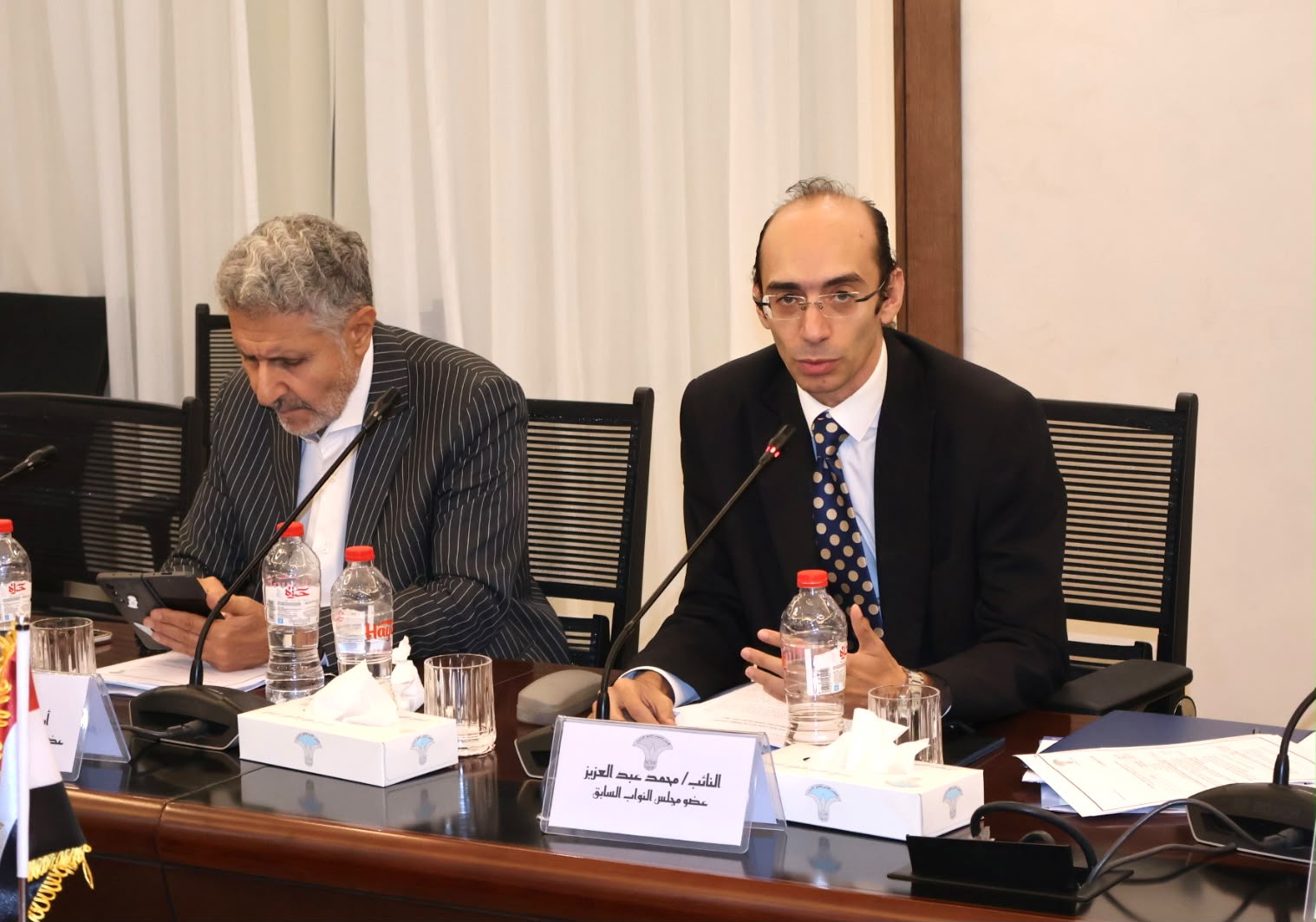
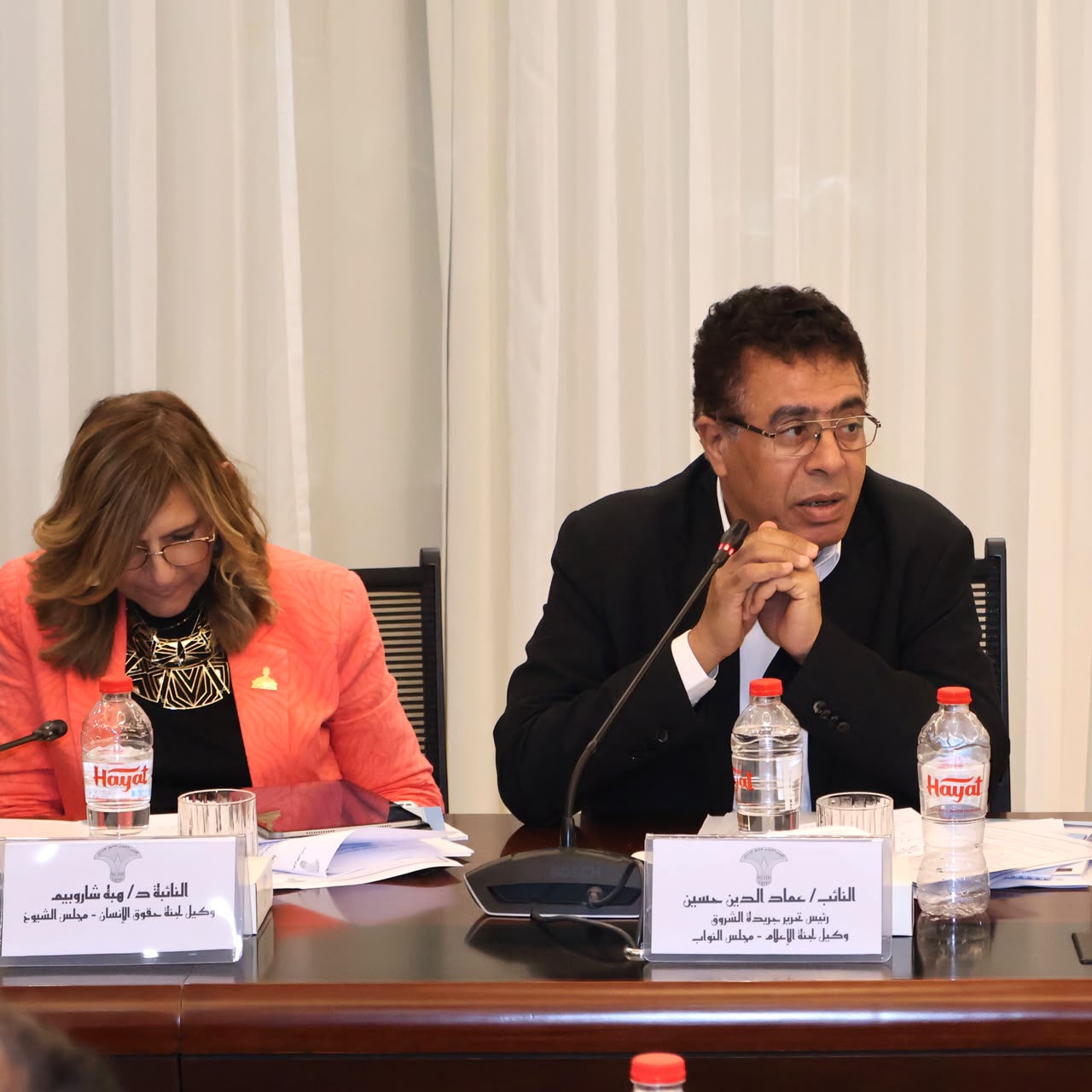
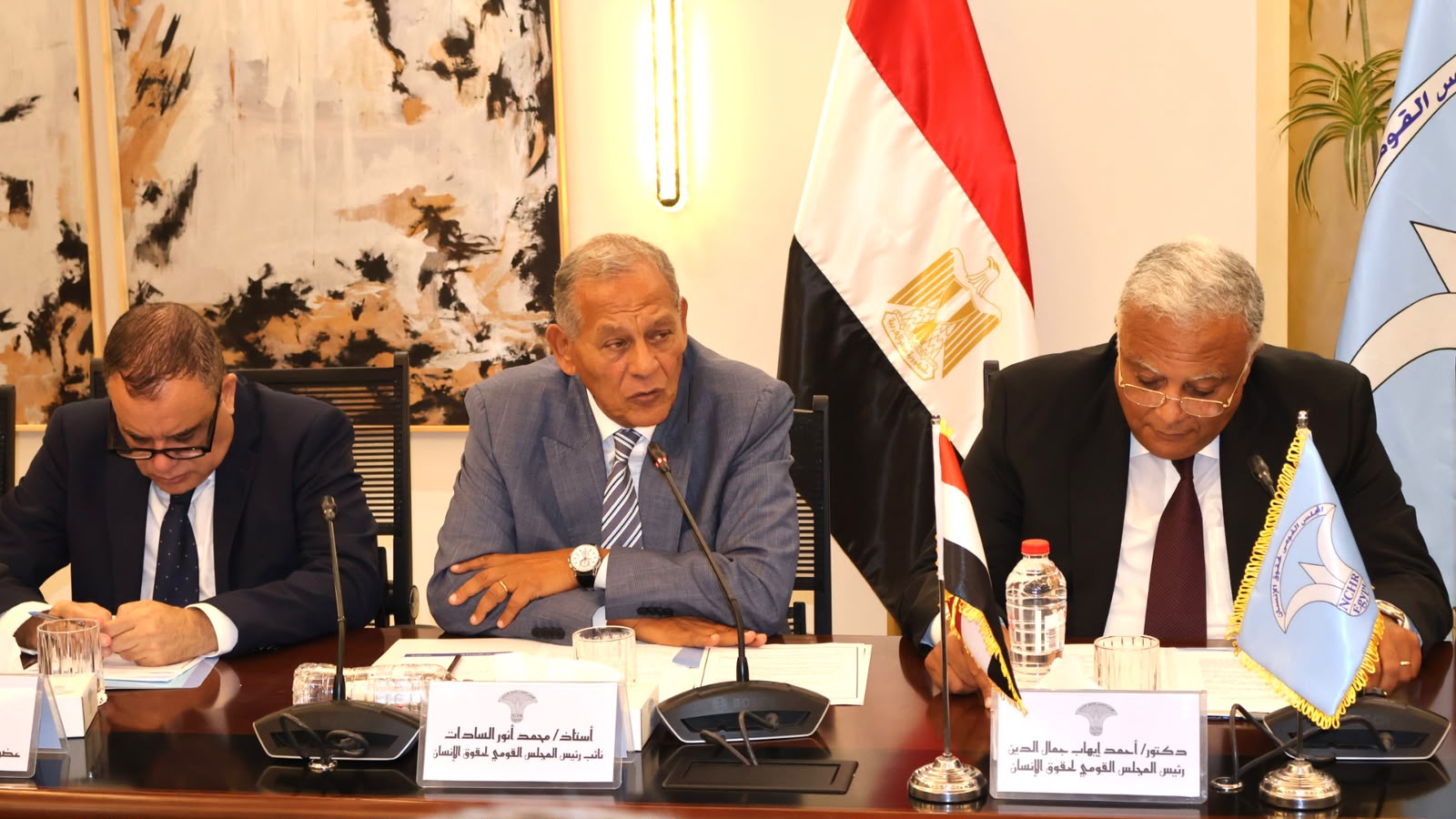
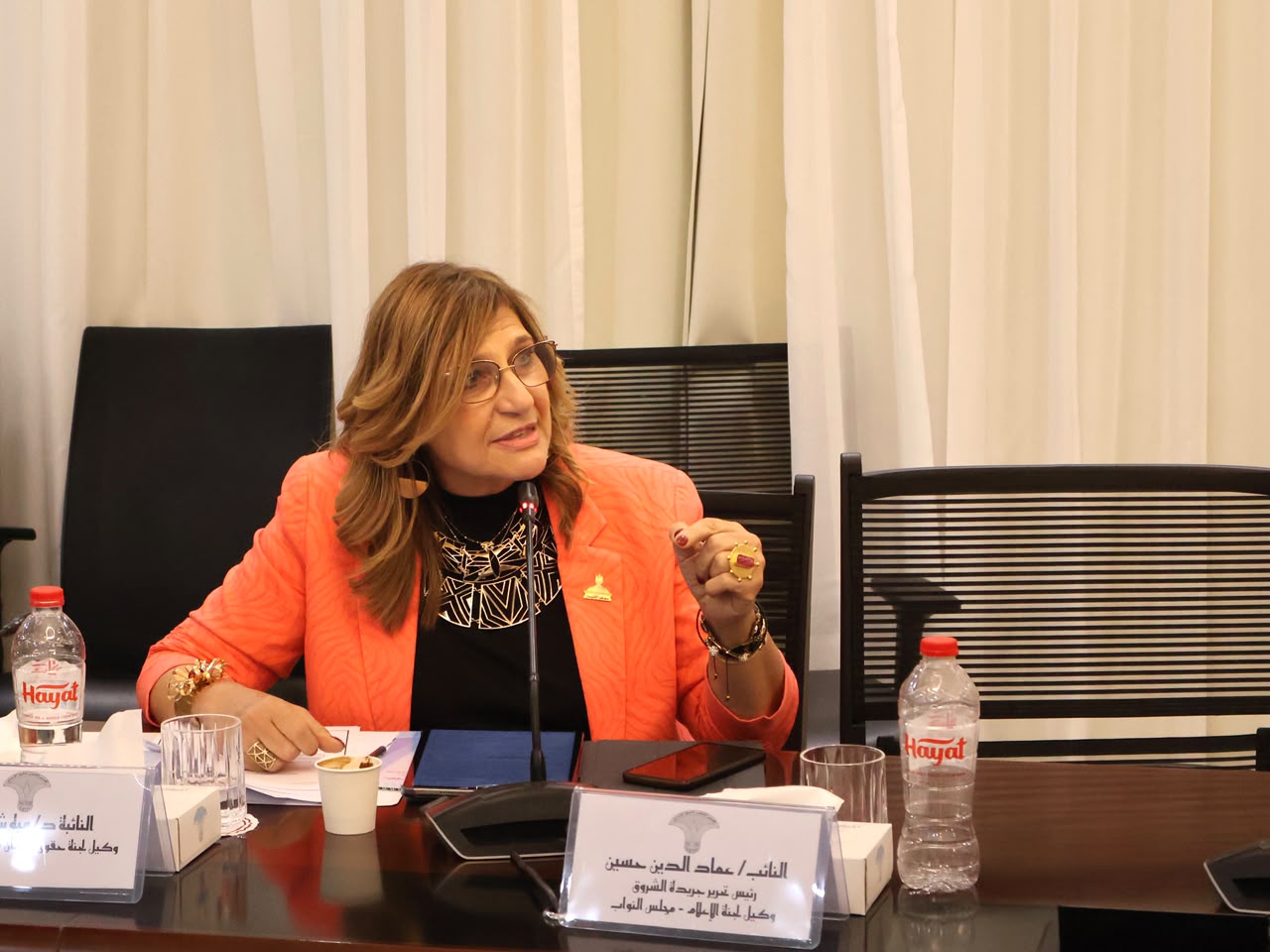
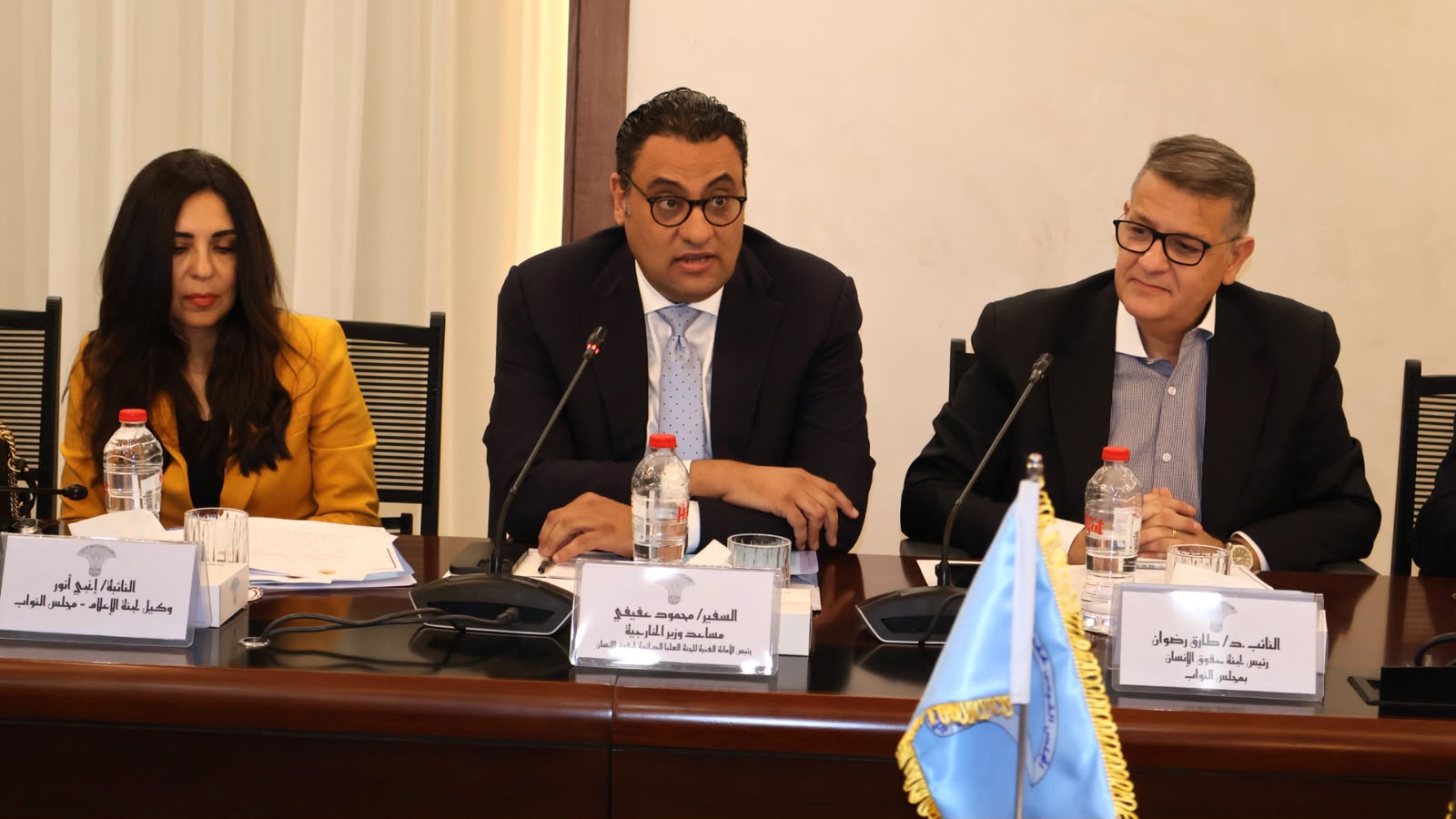
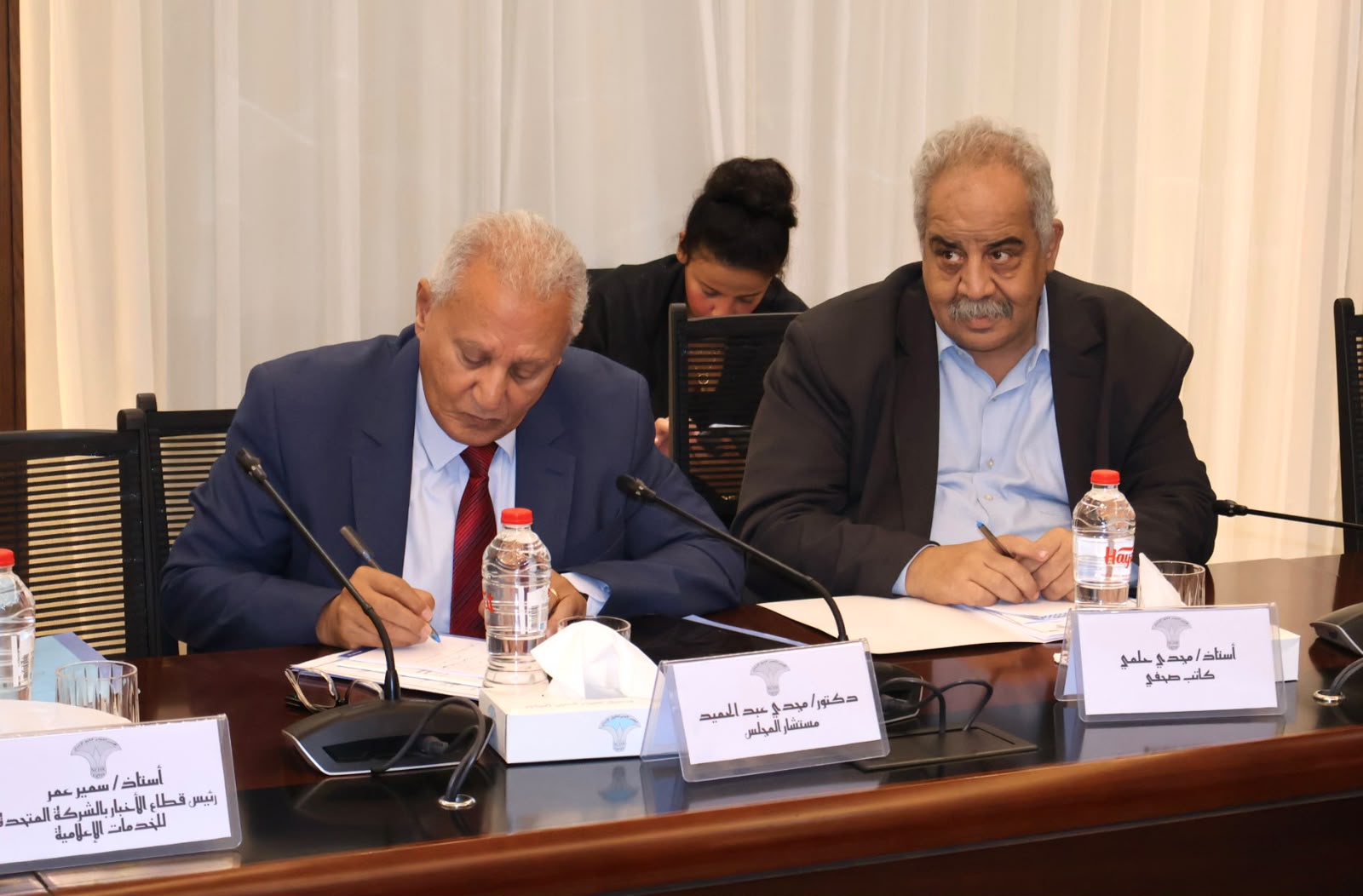
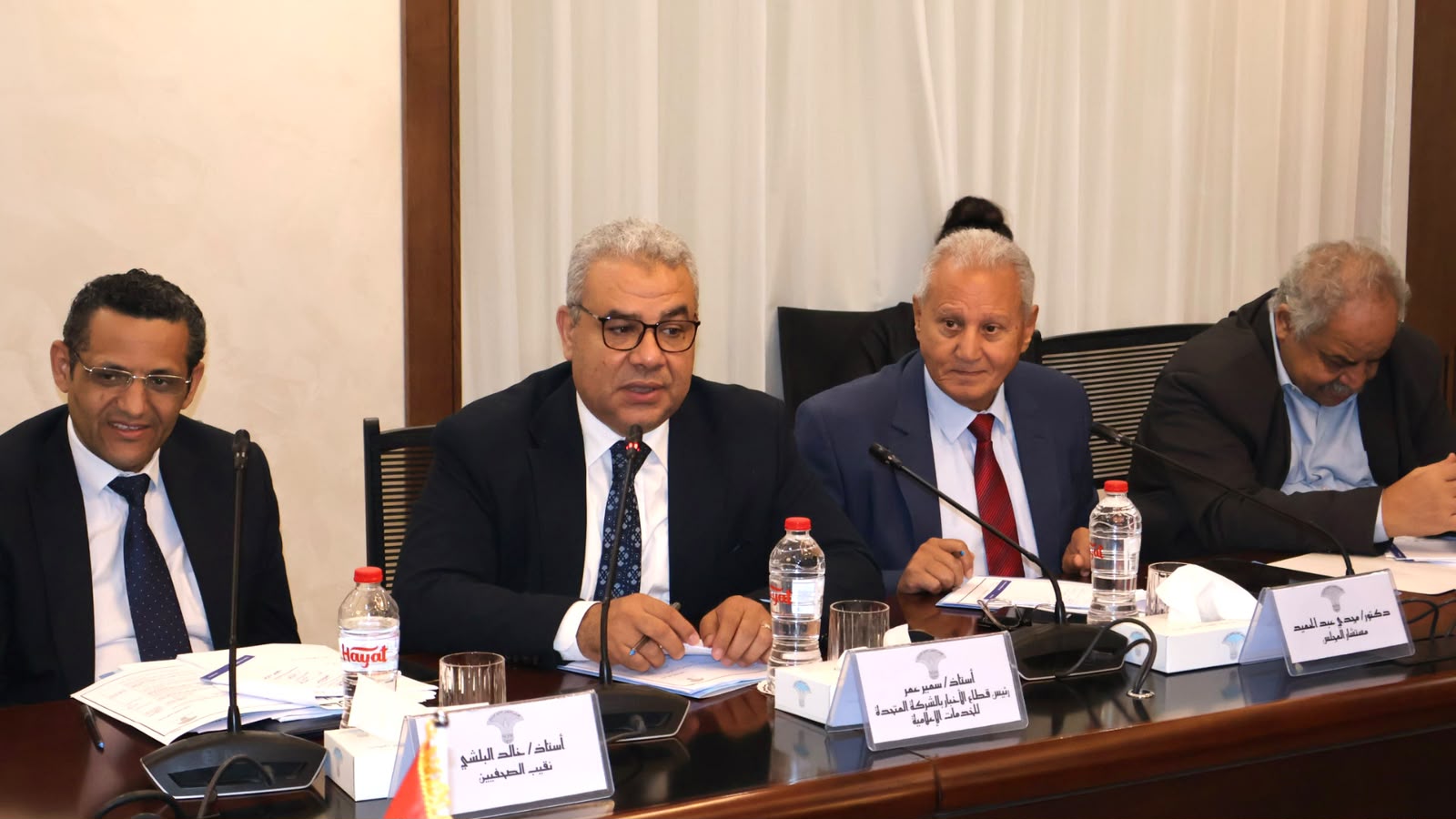
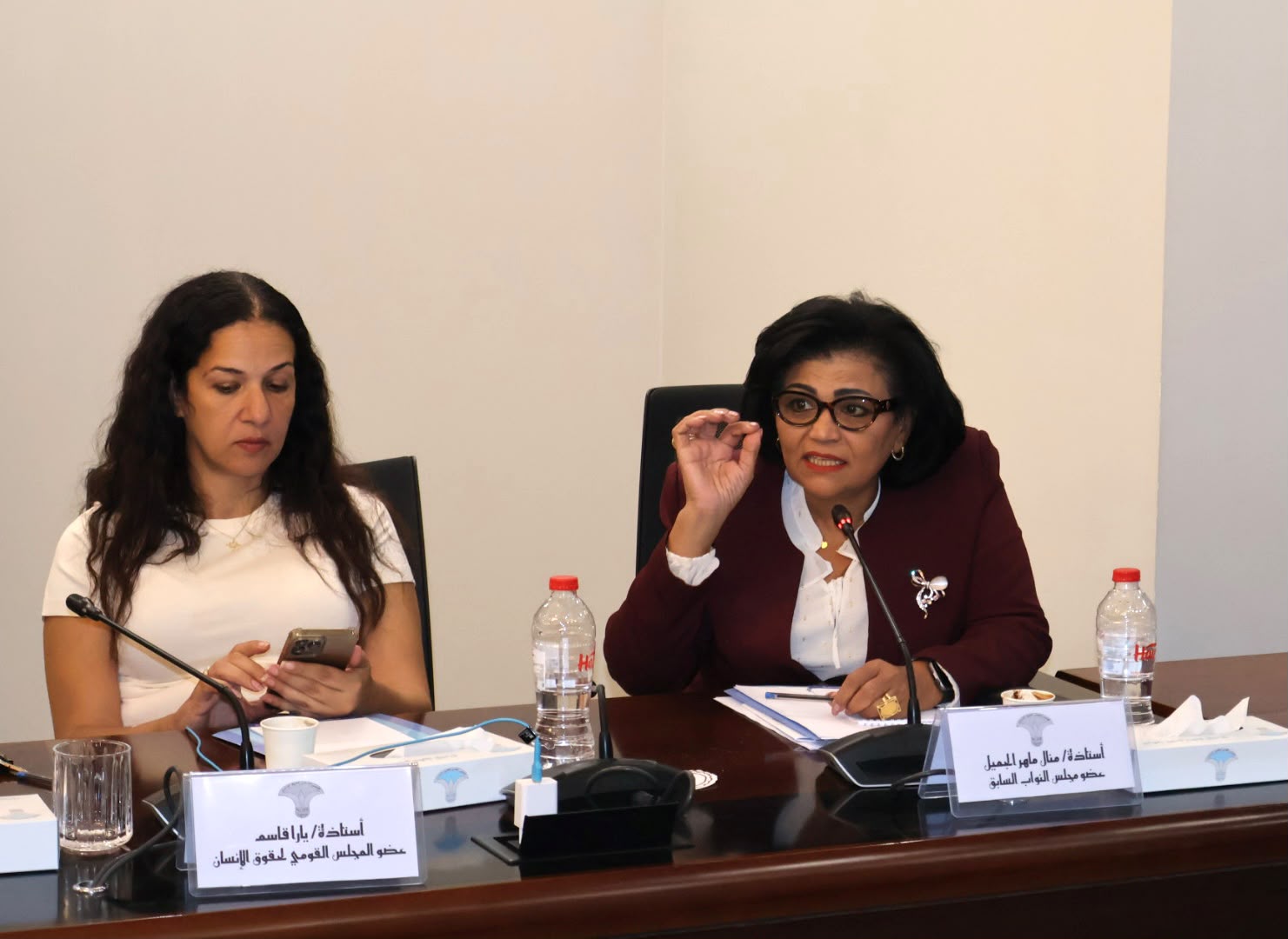
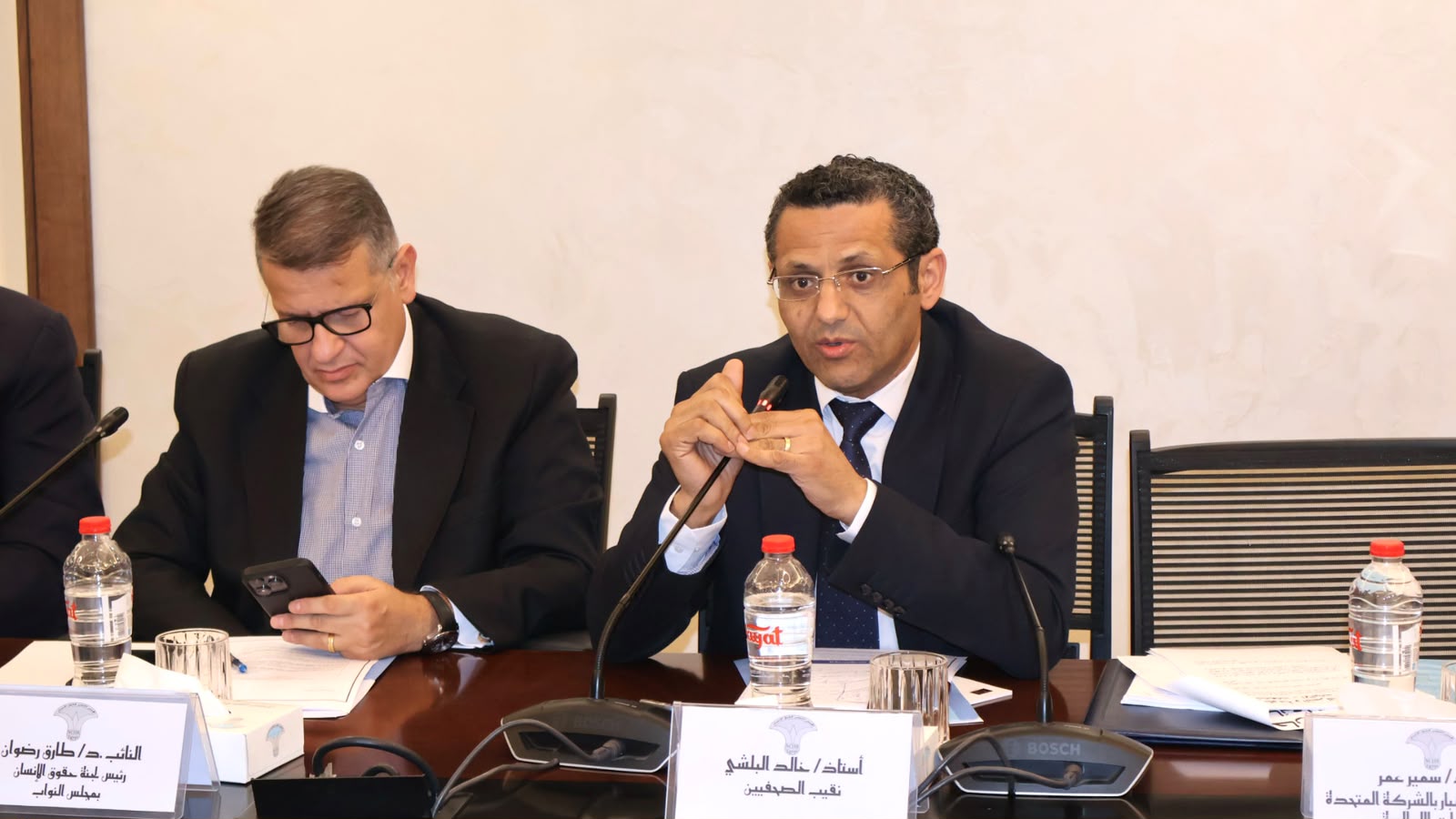
The roundtable was opened by Dr. Ahmed Ihab Gamaleldin and Mr. Mohamed Anwar El-Sadat, President and Vice President of the NCHR, respectively. Participants included Mr. Khaled El-Balshy, President of the Egyptian Journalists’ Syndicate; Ambassador Mahmoud Afifi, Assistant Minister of Foreign Affairs and Head of the Technical Secretariat of the Supreme Standing Committee for Human Rights; MP Tarek Radwan, Chairperson of the Human Rights Committee of the House of Representatives; Mr. Samir Omar, Head of the News Sector at United Media Services; and Mr. Emad El-Din Hussein, Editor-in-Chief of Al-Shorouk newspaper.
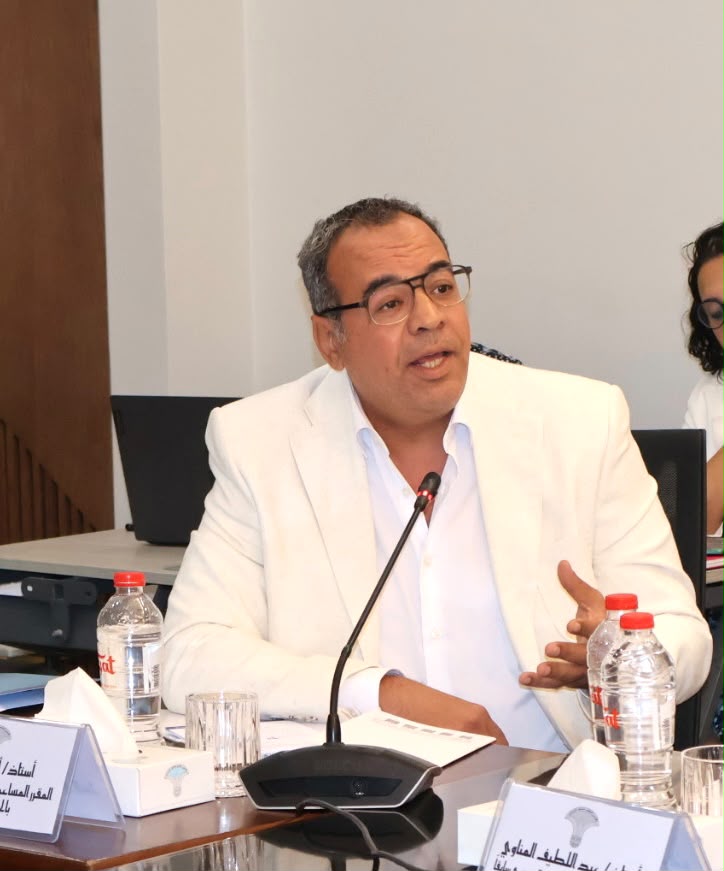
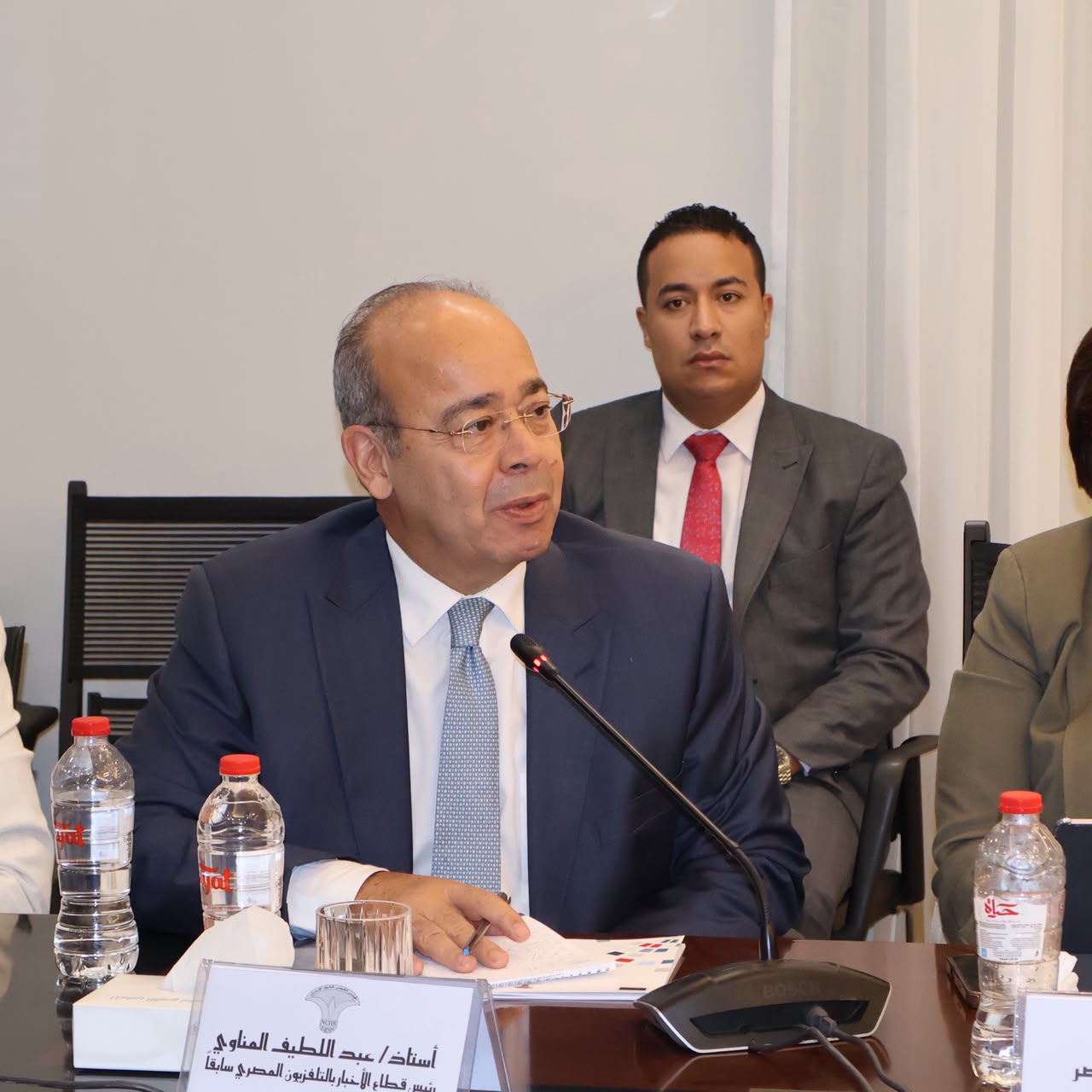
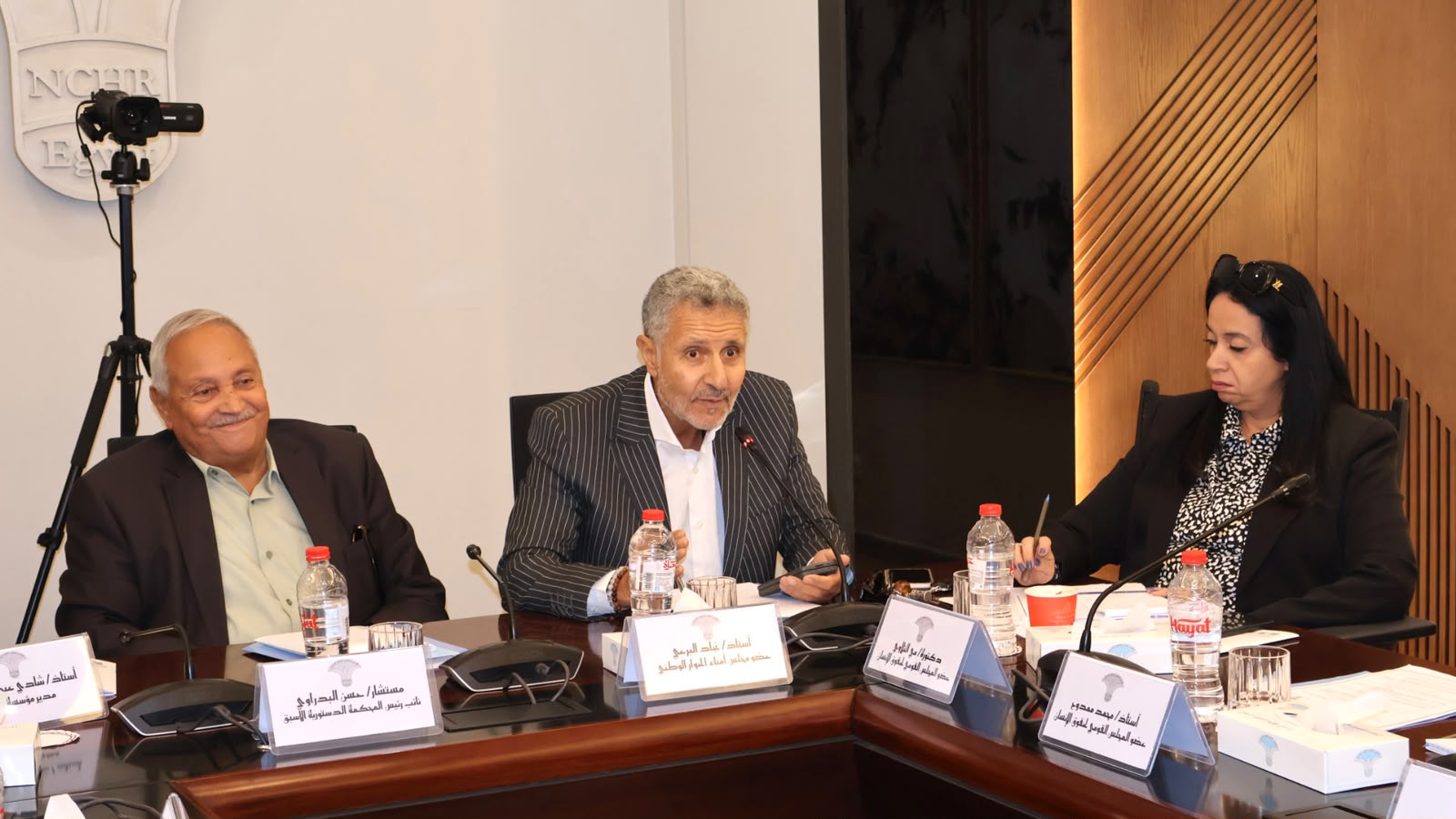
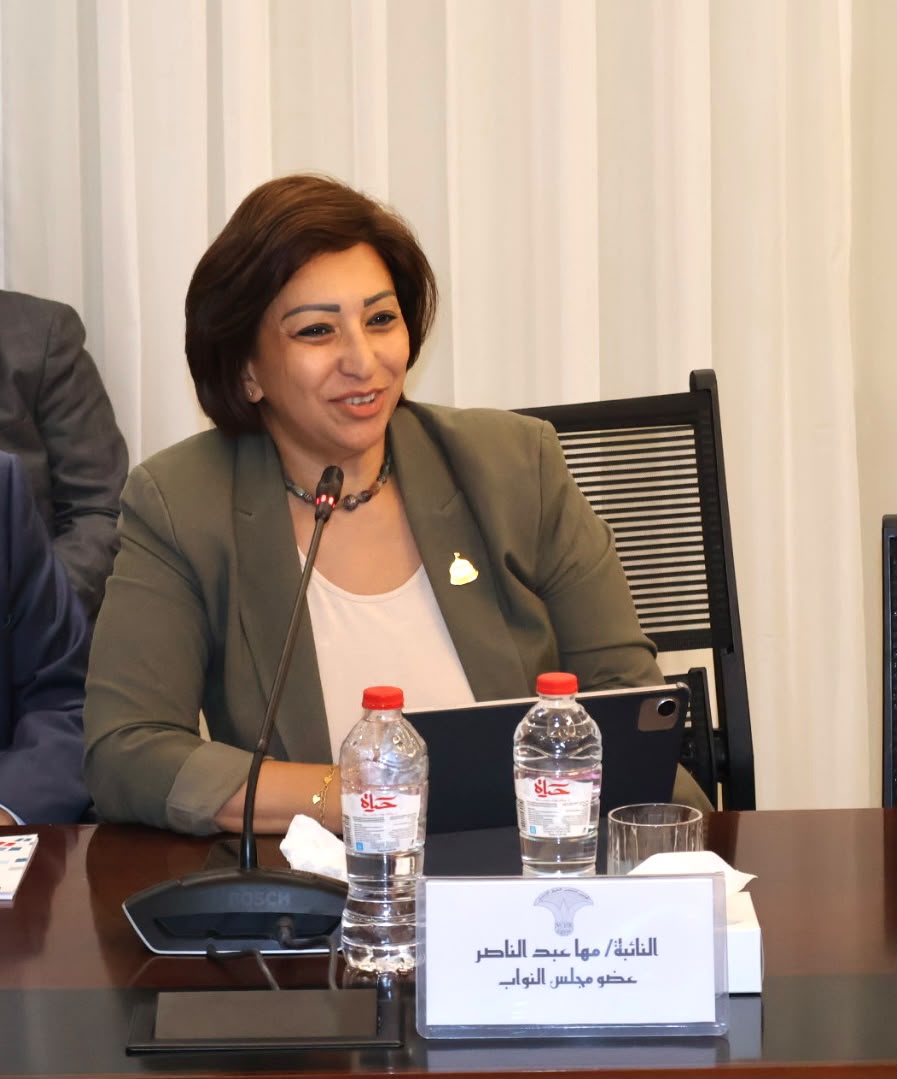
The discussion was also attended by a number of members of the House of Representatives and the Senate, journalists and media professionals, civil society representatives, and experts in law and media, including Mr. Abdel Latif El-Menawy, former Head of the News Sector at Egyptian State Television, and Counselor Hassan El-Badrawy, former Vice President of the Supreme Constitutional Court, in addition to a number of members of the NCHR Board.
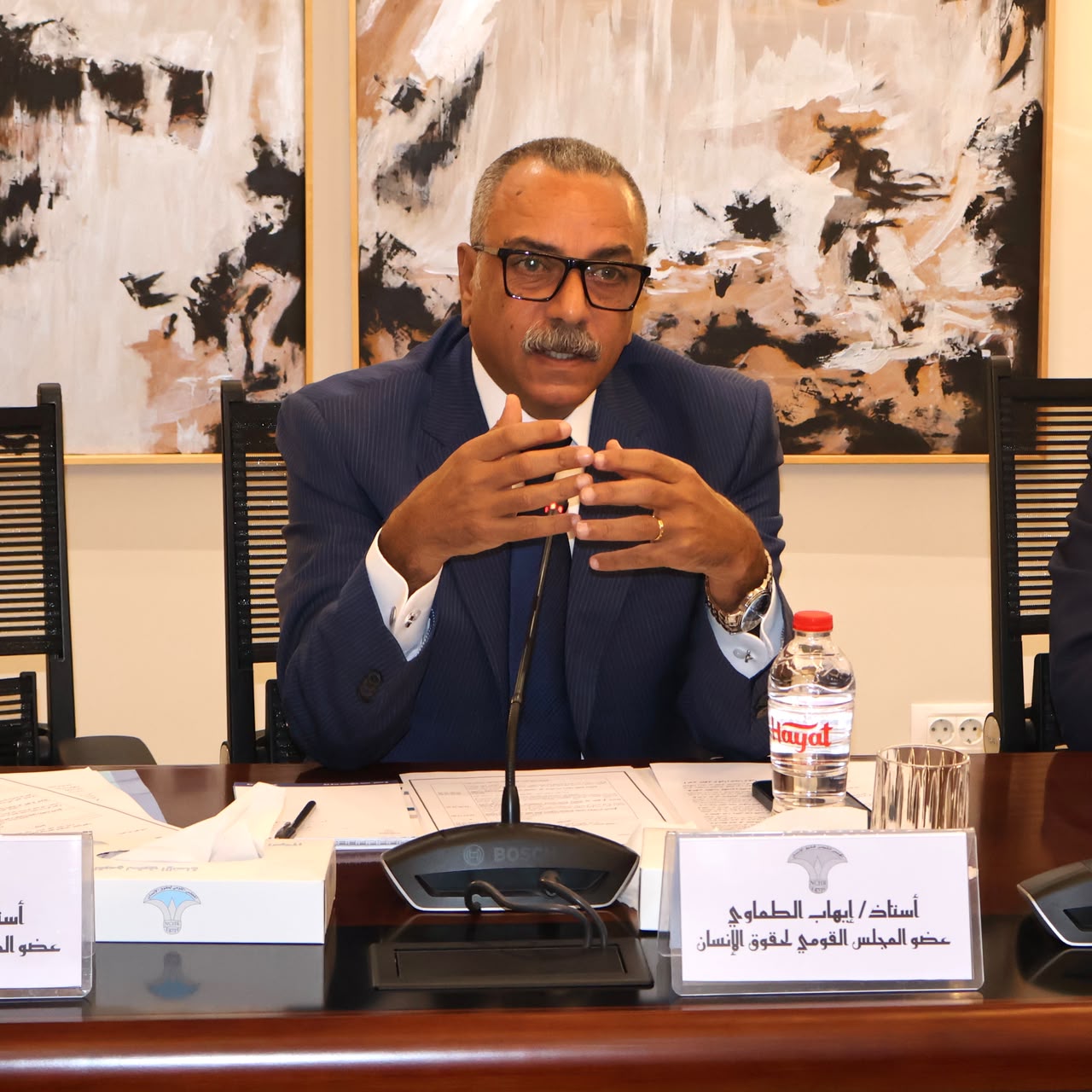
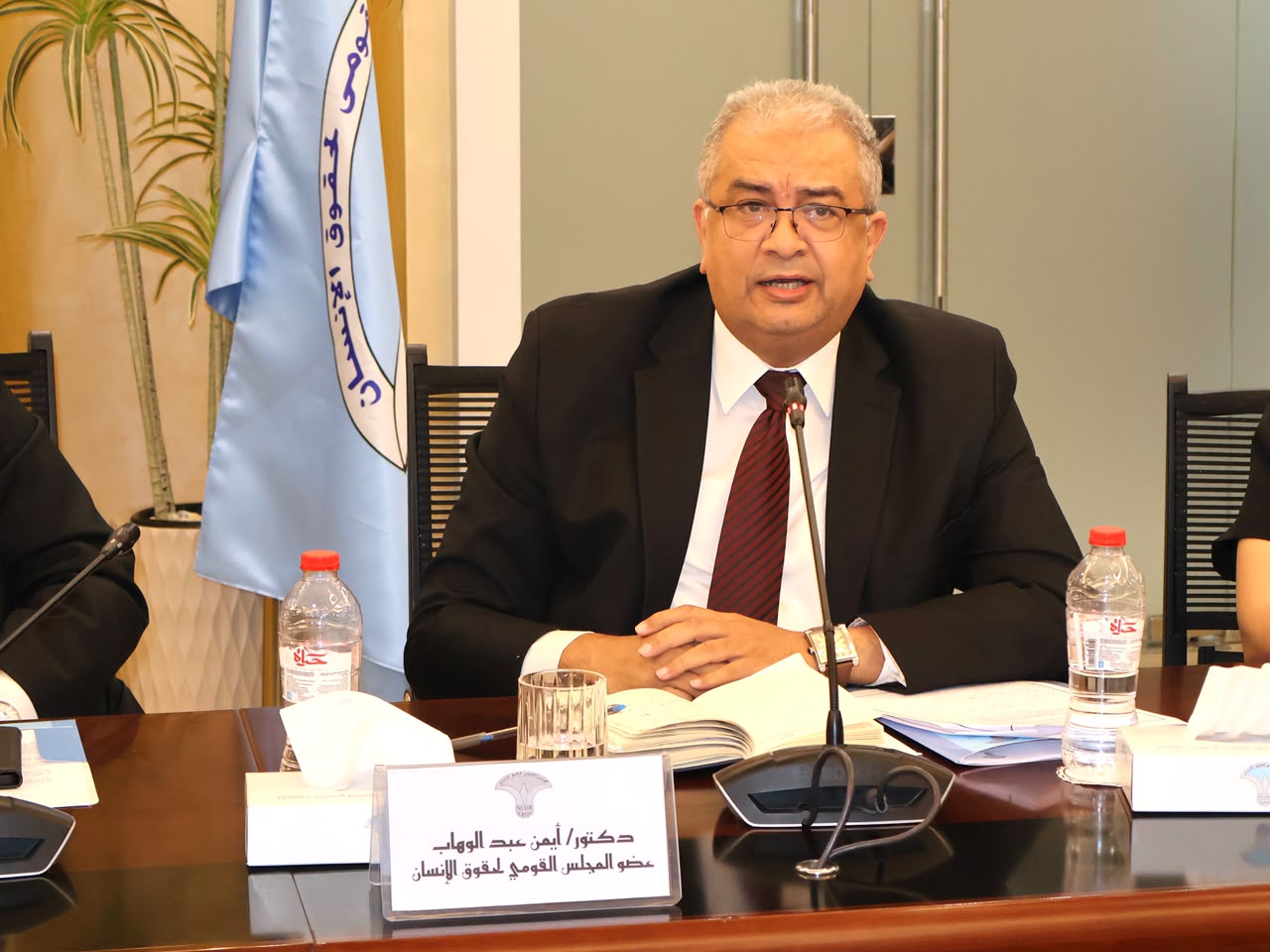
The sessions were moderated by NCHR Board Members Mr. Ezzat Ibrahim, Secretary of the NCHR’s Media Committee; Dr. Ayman Abdel Wahab, Secretary of the Civil and Political Rights Committee; and Dr. Ehab El-Tamawy, Secretary of the Legislative Committee.
The discussions addressed a number of key issues, including the scope of the right of access to information and the entities that would be subject to the legislation; proactive disclosure; exceptions and limits on confidentiality; and the need to balance the right to know with the legitimate interests of the state and society, including national security, privacy and the protection of personal data. Discussions also covered procedures for requesting information, response deadlines, fees, the requirement to provide reasons for refusals, grievance and appeal mechanisms, and oversight of the implementation of the legislation.
The roundtable also examined safeguards for effective implementation, including records management and archiving, the review of confidentiality and classification periods, digitalisation, capacity-building for personnel in public institutions, and mechanisms for monitoring and evaluating implementation.
The discussions resulted in a number of proposed principles and recommendations, most notably affirming that access to information should be the general rule, with exceptions and grounds for withholding information clearly defined; simplifying procedures for obtaining information and establishing clear response deadlines; strengthening proactive disclosure; protecting privacy and personal data; and ensuring effective grievance and appeal mechanisms, alongside an independent body to oversee implementation of the legislation. The discussions also underscored the importance of preserving and archiving records, training personnel in public institutions, conducting periodic assessments of implementation, and strengthening the participation of civil society, the media and researchers in monitoring the realization of the right to know.
The roundtable comes as part of an ongoing process of discussion on freedom of information legislation and builds on the outcomes of activities and discussions organized by the NCHR over the past two years, with the participation of representatives of relevant authorities, Parliament, the press and media, civil society, and experts.
Building on the outcomes of the roundtable and its previous activities, the National Council for Human Rights intends to submit a memorandum to the Council of Ministers and the House of Representatives setting out the human rights-related guarantees and principles that, in the NCHR’s view, should be taken into consideration when drafting any future legislation regulating freedom of information and the right to know.
The memorandum will seek to contribute to the development of a comprehensive legislative framework that balances access to information with the protection of the legitimate interests of the state and society, while strengthening the right to know, freedom of opinion and expression, and participation in public affairs.
 English
 Arabic
 French