The National Council for Human Rights Conducts Visits to Monitor Conditions of Inmates at Rehabilitation and Correction Centers Nationwide
In exercising its constitutional and legal mandates and carrying out its role in monitoring the human rights situation and verifying compliance with safeguards for their protection, a high-level delegation from the National Council for Human Rights conducted field visits to rehabilitation and correction centers in various parts of the country. The visits were undertaken in light of complaints received by the Council and allegations raised recently concerning the conditions of inmates.
The visits aimed to establish the actual conditions of inmates and verify the availability of the necessary legal and human rights safeguards to preserve their dignity and protect their fundamental rights. They also sought to assess accommodation conditions and the standard of care and services provided to inmates, in light of relevant national and international standards.
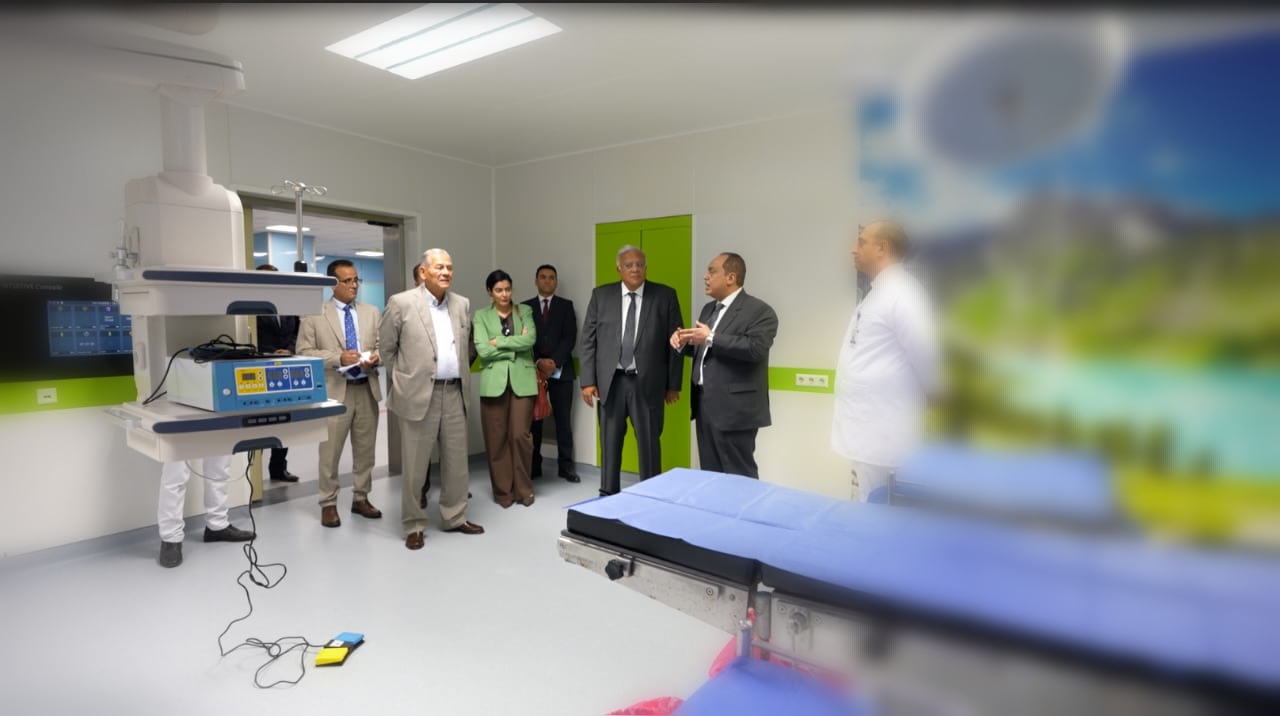
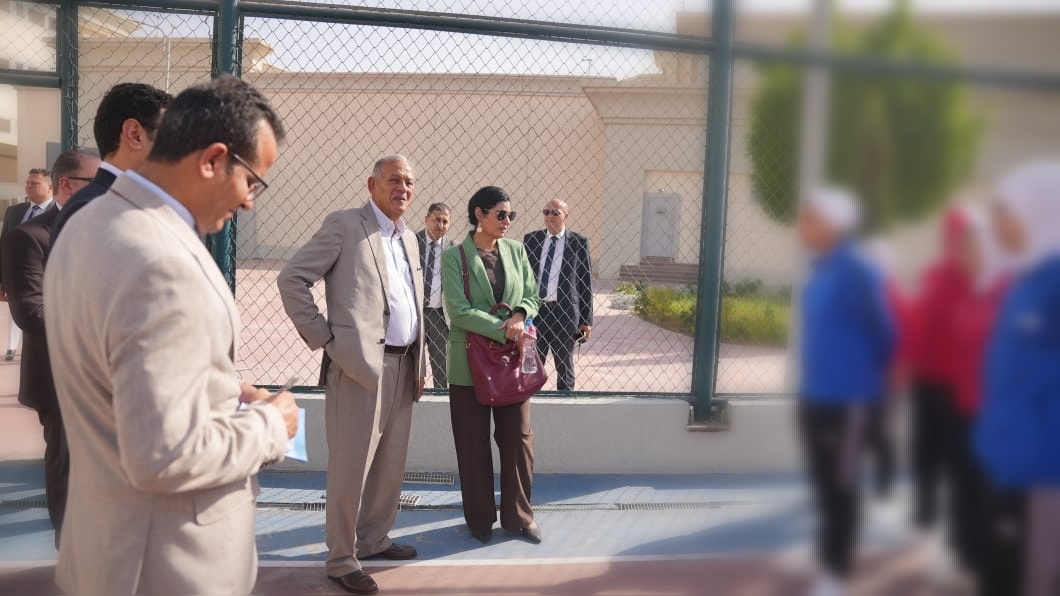
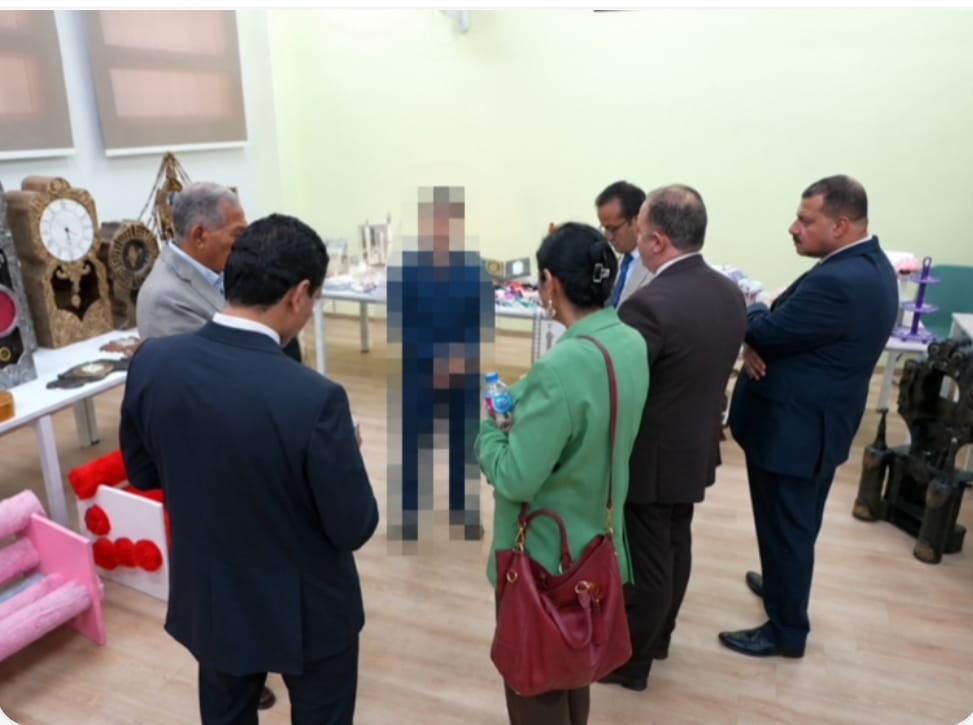
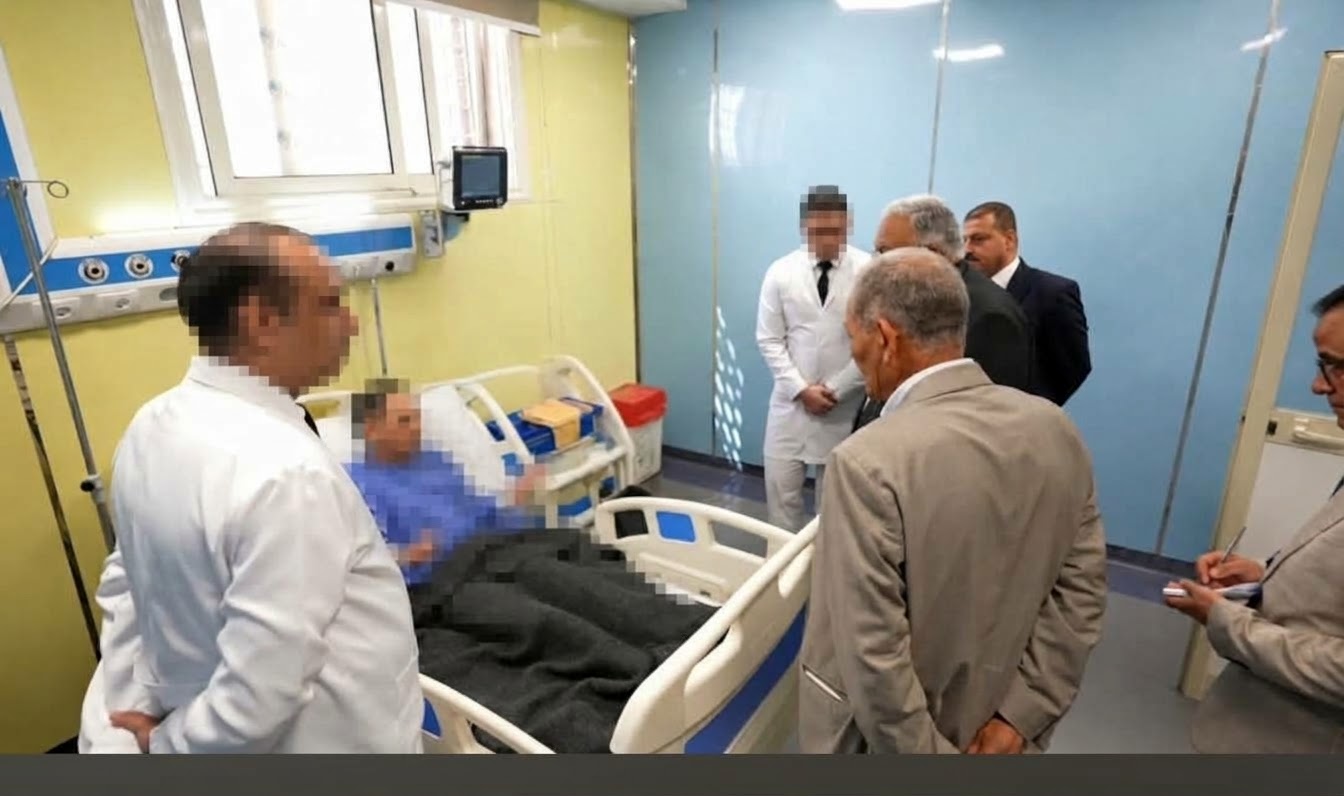
The visits included extensive field tours inside rehabilitation and correction centers nationwide. During these tours, the Council inspected the various facilities and their state of readiness, as well as the efficiency of the services provided. Particular attention was paid to healthcare, food quality, the suitability of drinking water, the safety of infrastructure, and the proper functioning of essential facilities. This formed part of an assessment of inmates’ living conditions and their consistency with constitutional and legal safeguards and international human rights standards.
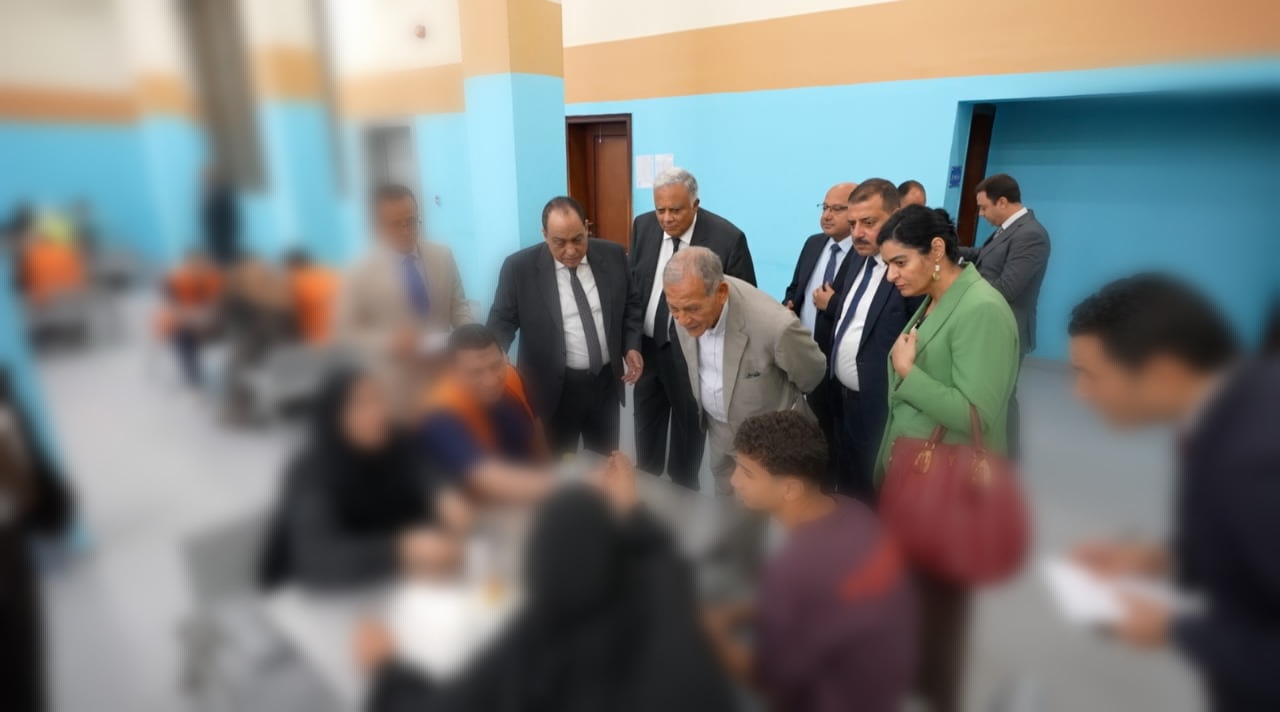
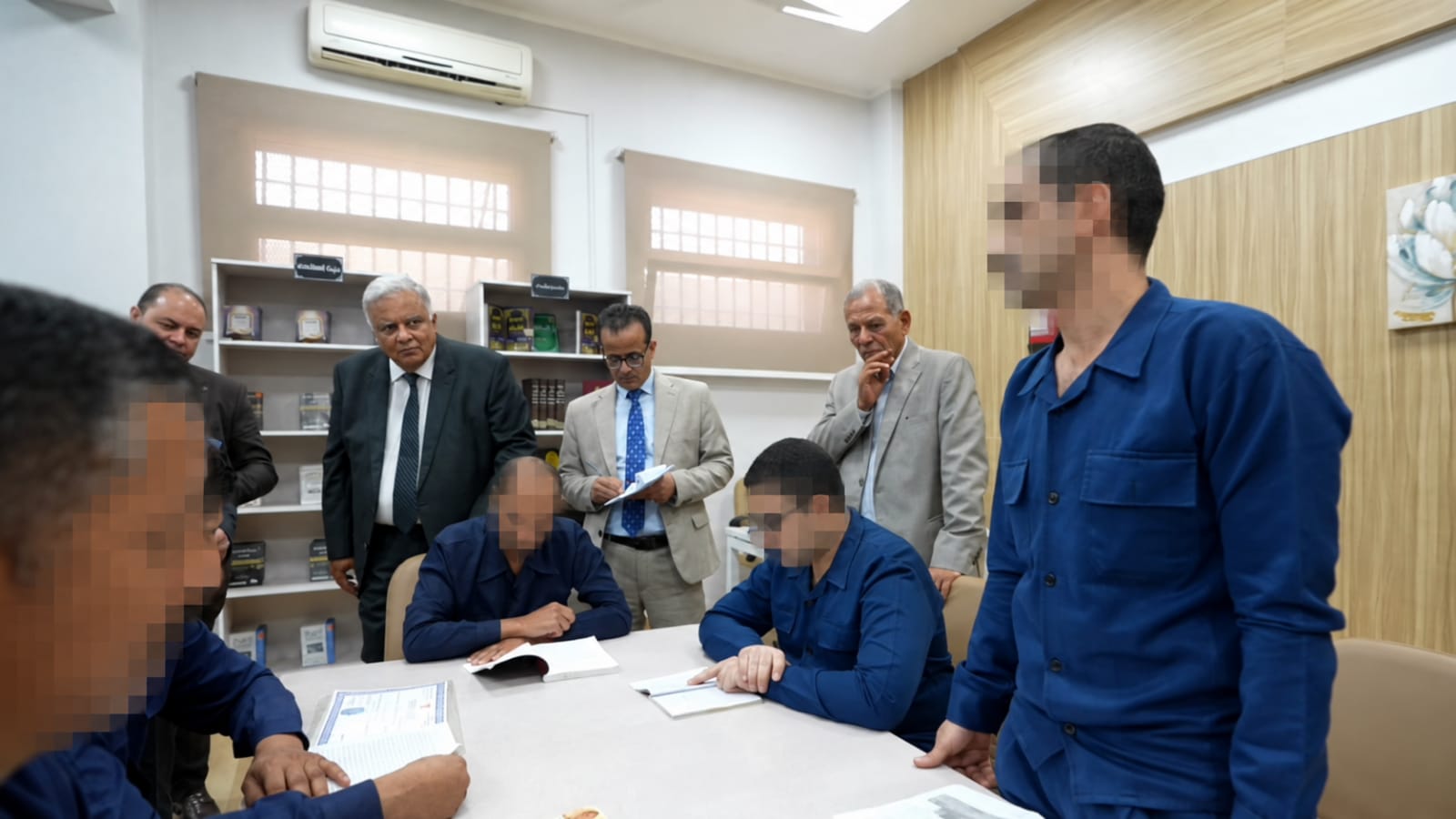
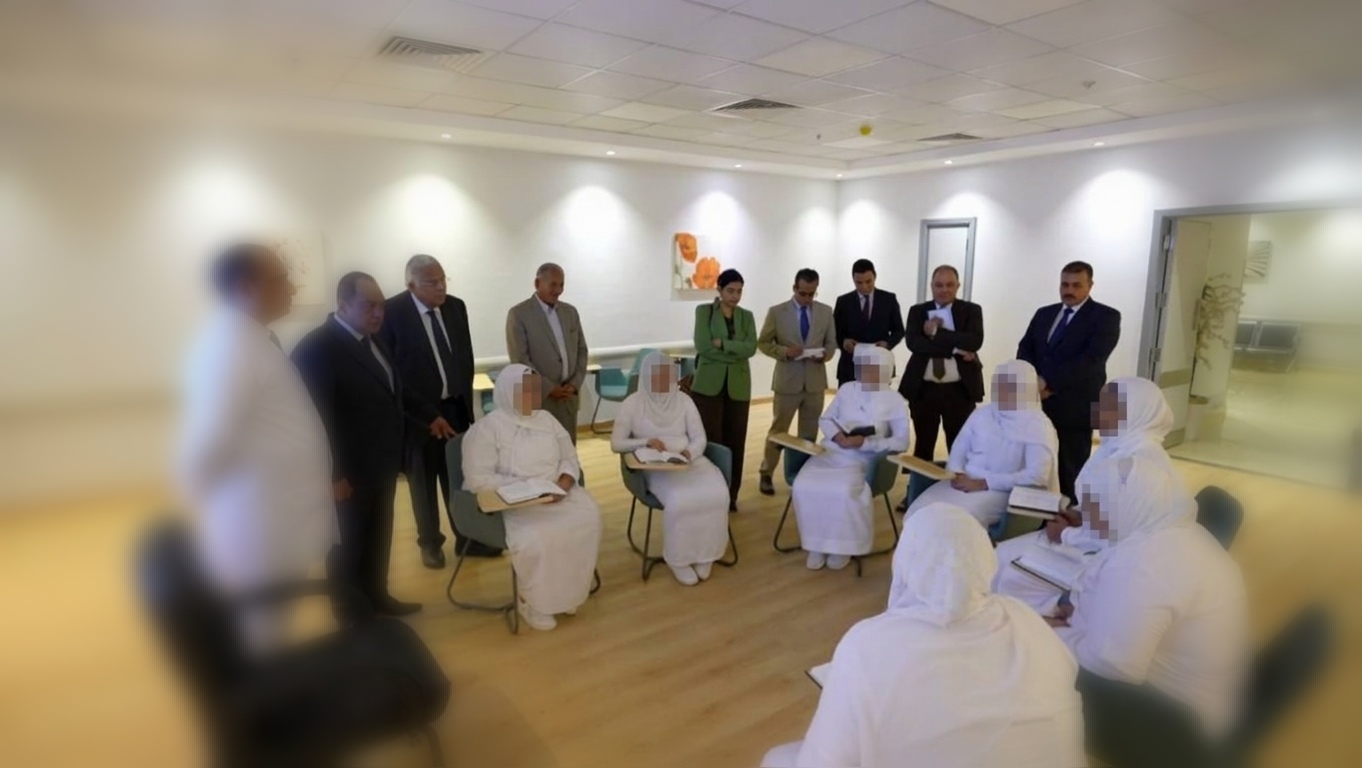
As part of its commitment to hearing directly from those concerned, the Council met with a number of female and male inmates and held extensive direct discussions with them, both collectively and individually, to examine their living conditions, needs, and observations regarding the services provided, as well as arrangements for communicating with their families and relatives. Members of the delegation also met with a number of inmates’ family members and relatives and verified the ease of visiting procedures, including registration and inspection during visiting hours, procedures upon departure, and the availability of private spaces.
A number of inmates also told the Council’s delegation that they had benefited from the psychological and medical support provided by the rehabilitation and correction center to help them recover from addiction and certain chronic illnesses. They also referred to post-release care and preparation for reintegration into society through learning various trades that could help improve their living conditions after completing their sentences. These meetings constitute a key component of field monitoring, as they enable direct assessment of the conditions of persons deprived of their liberty and detention facilities more broadly, while identifying issues requiring follow-up.
The visits also included inspections of living units and accommodation wards designated for male and female inmates to assess the availability of basic conditions for decent accommodation and the suitability of equipment and furniture to their living needs, including beds and essential furnishings. The delegation also examined basic standards of cleanliness, ventilation, lighting, and sanitary facilities, in order to assess accommodation conditions and the extent to which they meet the requirements of humane treatment, respect for human dignity, and protection of the fundamental rights of persons deprived of their liberty, in accordance with relevant international standards.
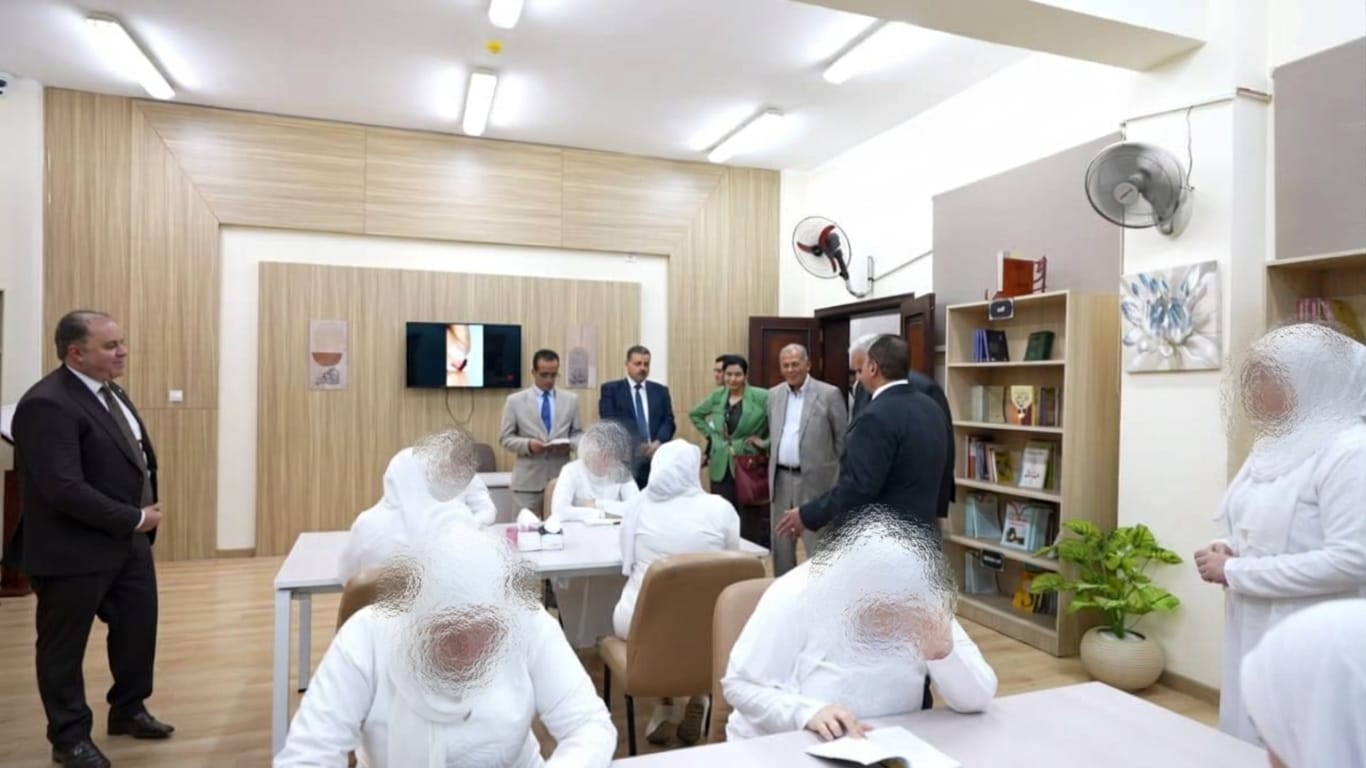
The tours further included inspections of medical centers, clinics and specialized units; central kitchens and meal-serving areas; and vocational education and rehabilitation facilities, including workshops and centers for activities, hobbies and music. The delegation also visited the library, vocational education and literacy classrooms, the rehabilitation building, and the nursery designated for children accompanying their mothers, in addition to cultural and religious facilities and infrastructure facilities.
The Council’s delegation also held discussions with officials from the Community Protection Sector on ways to strengthen safeguards for the humane treatment of inmates. The delegation stressed the importance of building the capacities of personnel working at these centers and ensuring their continuous qualification and training in the application of international standards concerning the treatment of persons deprived of their liberty, foremost among them the United Nations Standard Minimum Rules for the Treatment of Prisoners (the Nelson Mandela Rules). This would support the consolidation of an approach grounded in respect for human rights and human dignity within rehabilitation and correction centers.
These visits fall within the Council’s mandate to monitor the human rights situation and follow up on respect for fundamental rights and freedoms in places of detention. The Council is expected to prepare a comprehensive report on the findings of the visits, setting out the delegation’s key observations, assessing the various aspects of care and services provided, and presenting the findings of its inspections and follow-up. The report will serve as the basis for formulating the necessary recommendations and proposals and bringing them to the attention of the competent authorities.
The National Council for Human Rights affirms that field monitoring of places of detention is a fundamental pillar of its independent national mandate, requiring objective observation, direct engagement, professional assessment, and serious follow-up on findings and recommendations. Through these visits and its other working mechanisms, the Council continues to fulfil its role in monitoring, assessment, and issuing recommendations.
The Council also emphasizes that developing the rehabilitation and correction system and strengthening safeguards for humane treatment constitute important avenues for upholding the rule of law and strengthening Egypt’s human rights framework.
 English
 Arabic
 French