National Council for Human Rights of Egypt Participates in International Conference on Human Rights and Digital Transformation in Tashkent
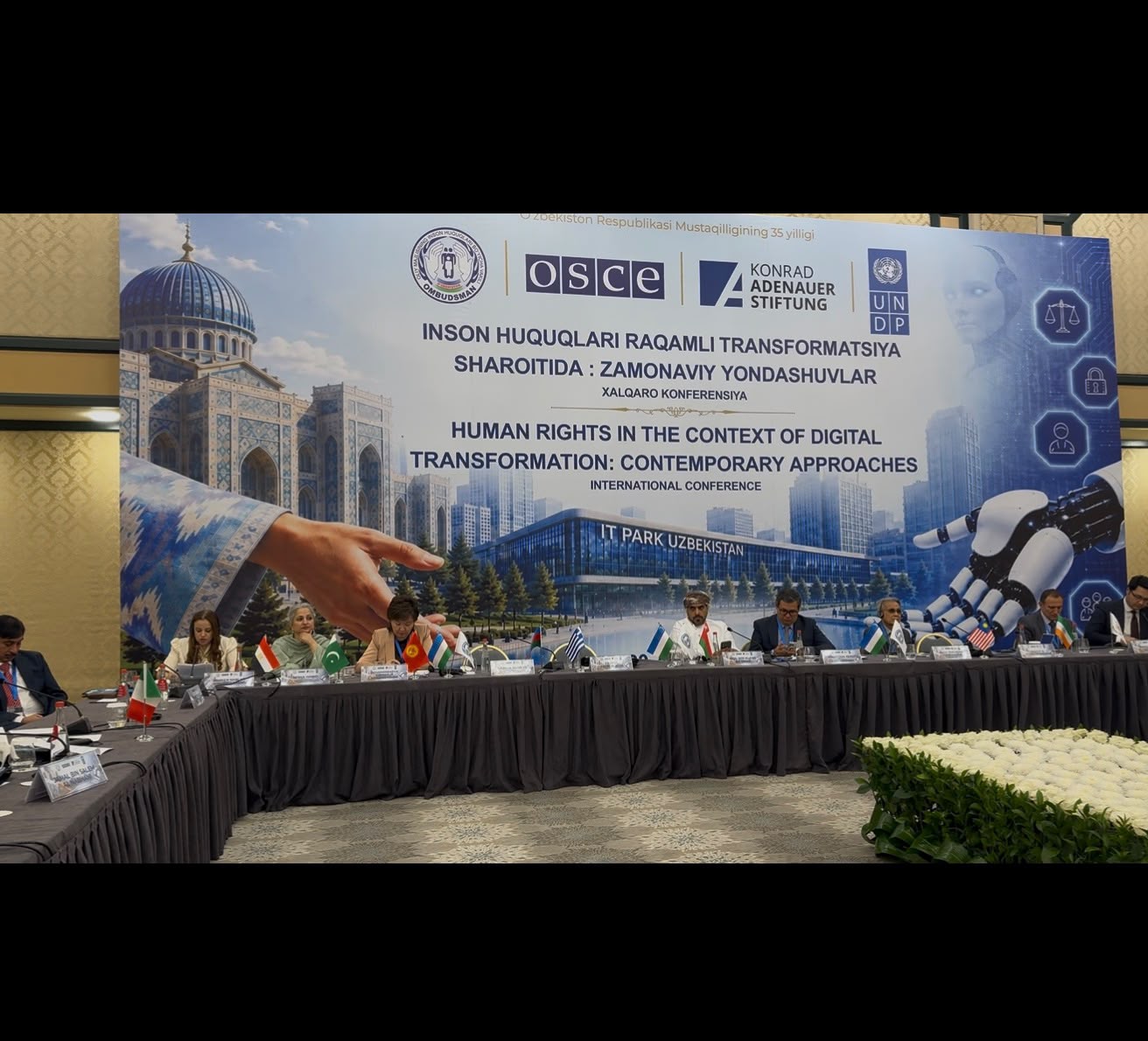
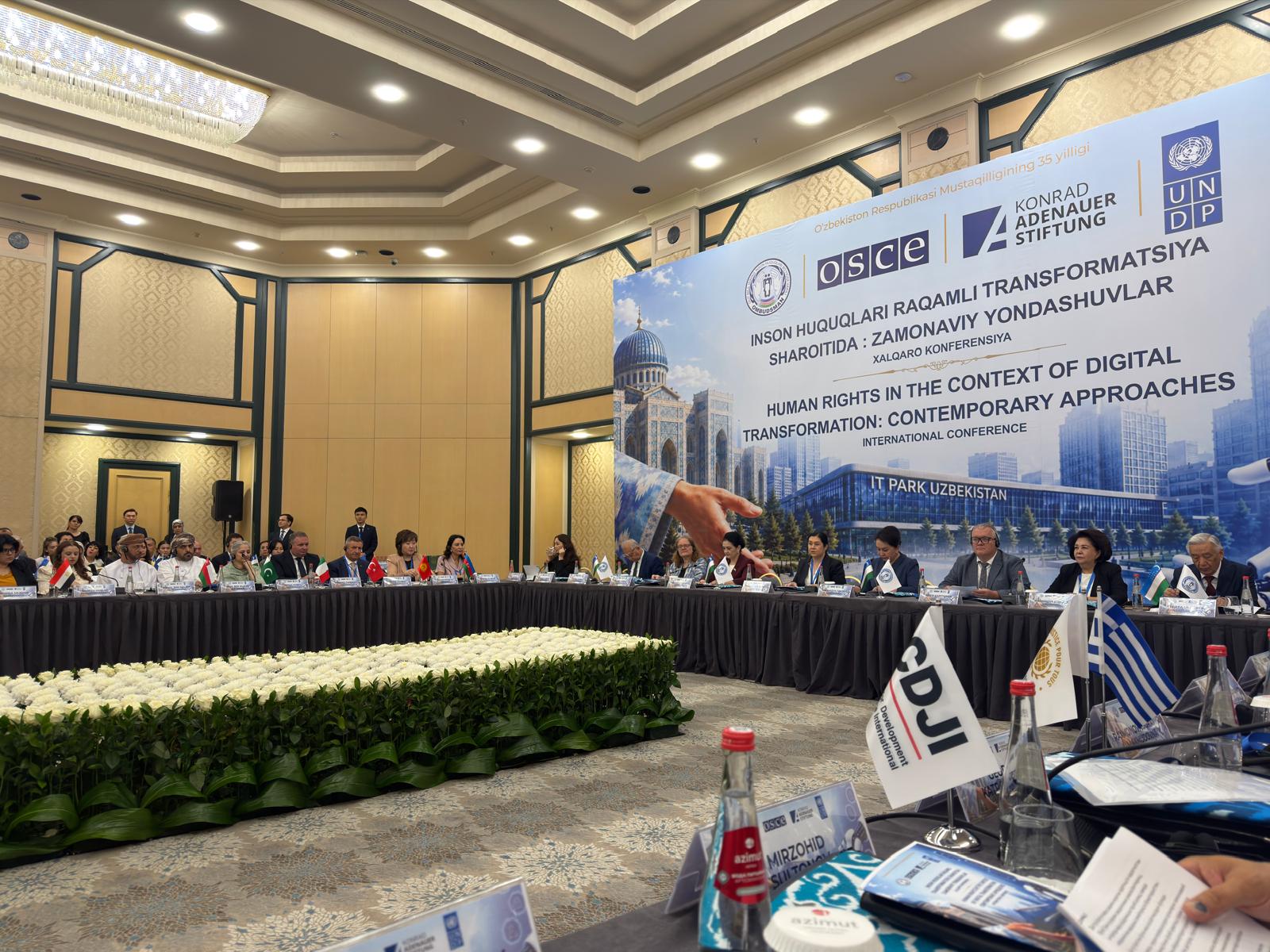
The National Council for Human Rights of Egypt (NCHR) participated in the International Conference “Human Rights in the Context of Digital Transformation: Contemporary Approaches,” held in Tashkent, Uzbekistan, with the participation of ombudspersons, national human rights institutions, parliamentarians, representatives of civil society from more than 25 countries, and several international organizations.
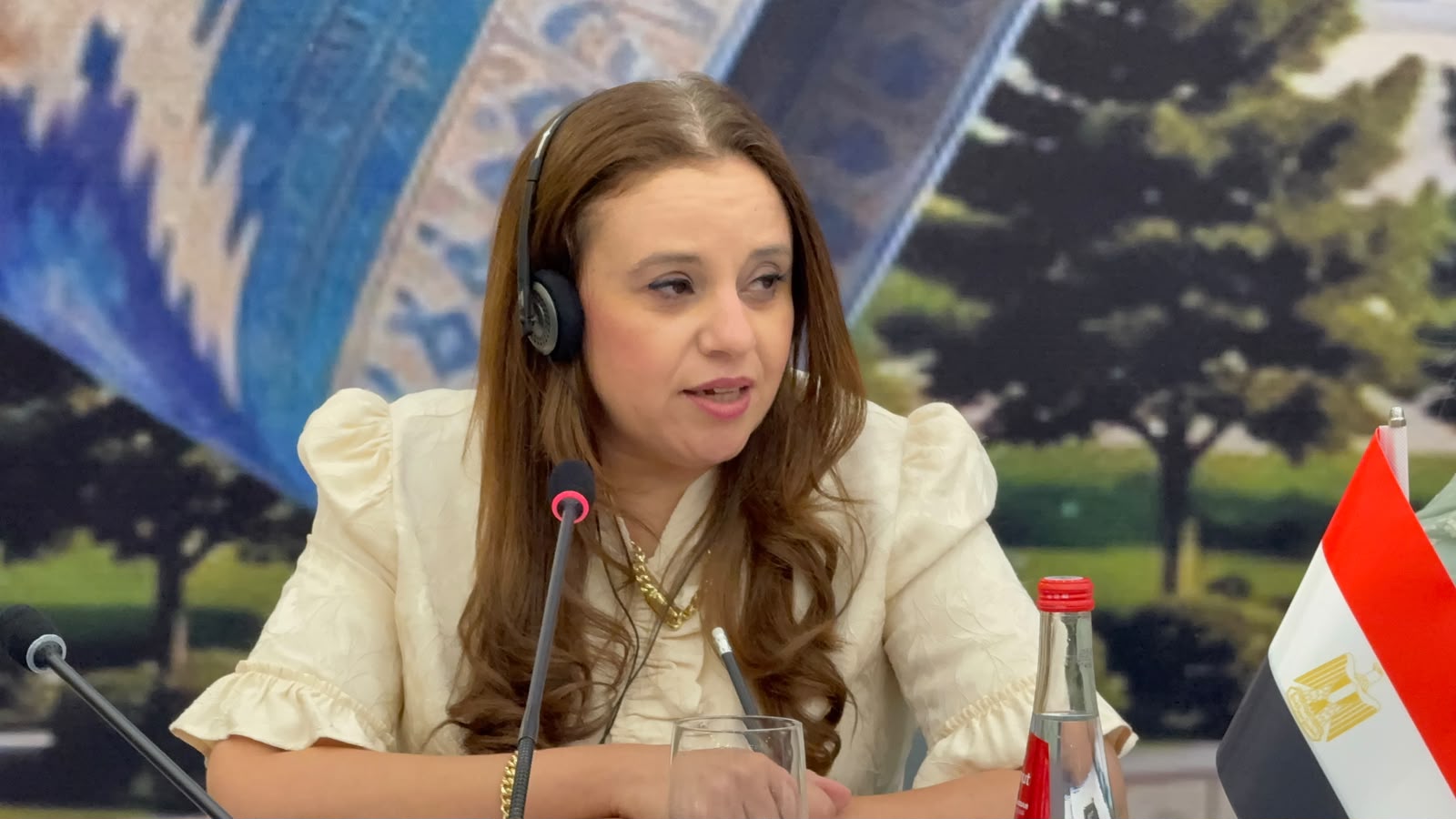
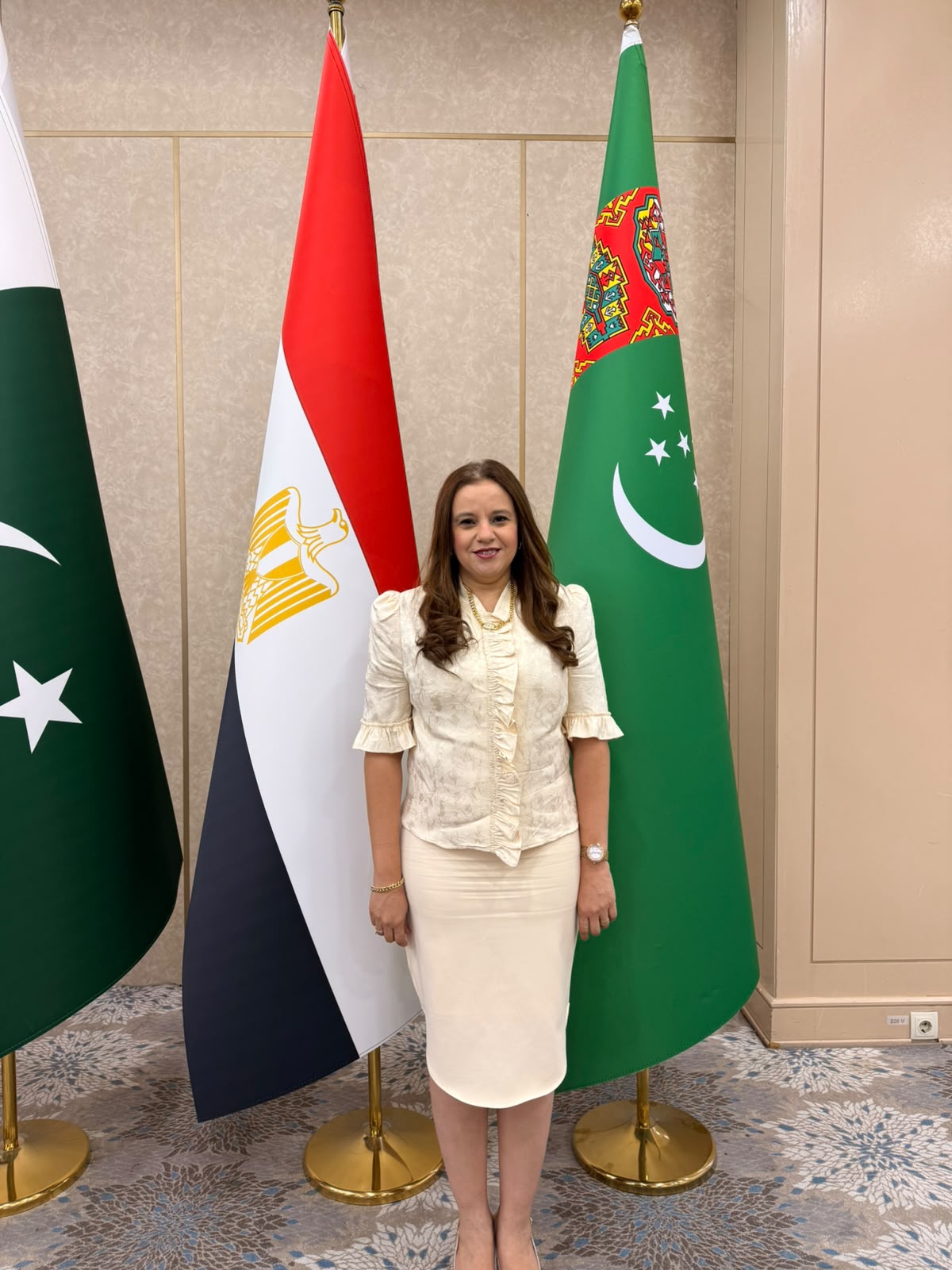
The Council was represented by Dr. Shireen Farag, Board Member of the National Council for Human Rights and Chair of the Council’s Committee on Human Rights in the Digital Space.
The conference was organized by the Commissioner of the Oliy Majlis of the Republic of Uzbekistan for Human Rights (Ombudsman) in cooperation with the United Nations Development Programme (UNDP), the OSCE Project Co-ordinator in Uzbekistan, and the Konrad Adenauer Foundation.
Discussions focused on the opportunities and human rights challenges arising from digital transformation, including the protection of personal data and privacy, responsible use of artificial intelligence, online violence and cyberbullying, non-discrimination, and equal access to digital public services.
Dr. Shireen Farag participated in the third panel session, entitled “Protection of the Rights of Persons with Disabilities: Inclusive Services and Equal Participation,” where she presented Egypt’s experience in advancing digital accessibility and inclusive digital services, highlighting the role of the NCHR in supporting these effort, and its cooperation with national institutions working on assistive technologies and digital accessibility.
She emphasized that digital accessibility should be approached as a human rights obligation rather than merely a technical requirement, particularly in relation to access to information, public services, complaints mechanisms and meaningful participation for persons with disabilities.
The conference concluded with the adoption of the Tashkent Declaration on Human Rights in the Context of Digital Transformation, which reaffirms that human rights enjoyed offline must also be fully respected, protected and fulfilled in the digital environment. The Declaration also calls for stronger international cooperation among national human rights institutions, improved safeguards for privacy and personal data, responsible use of artificial intelligence, and greater digital inclusion for persons with disabilities and other groups requiring additional support.
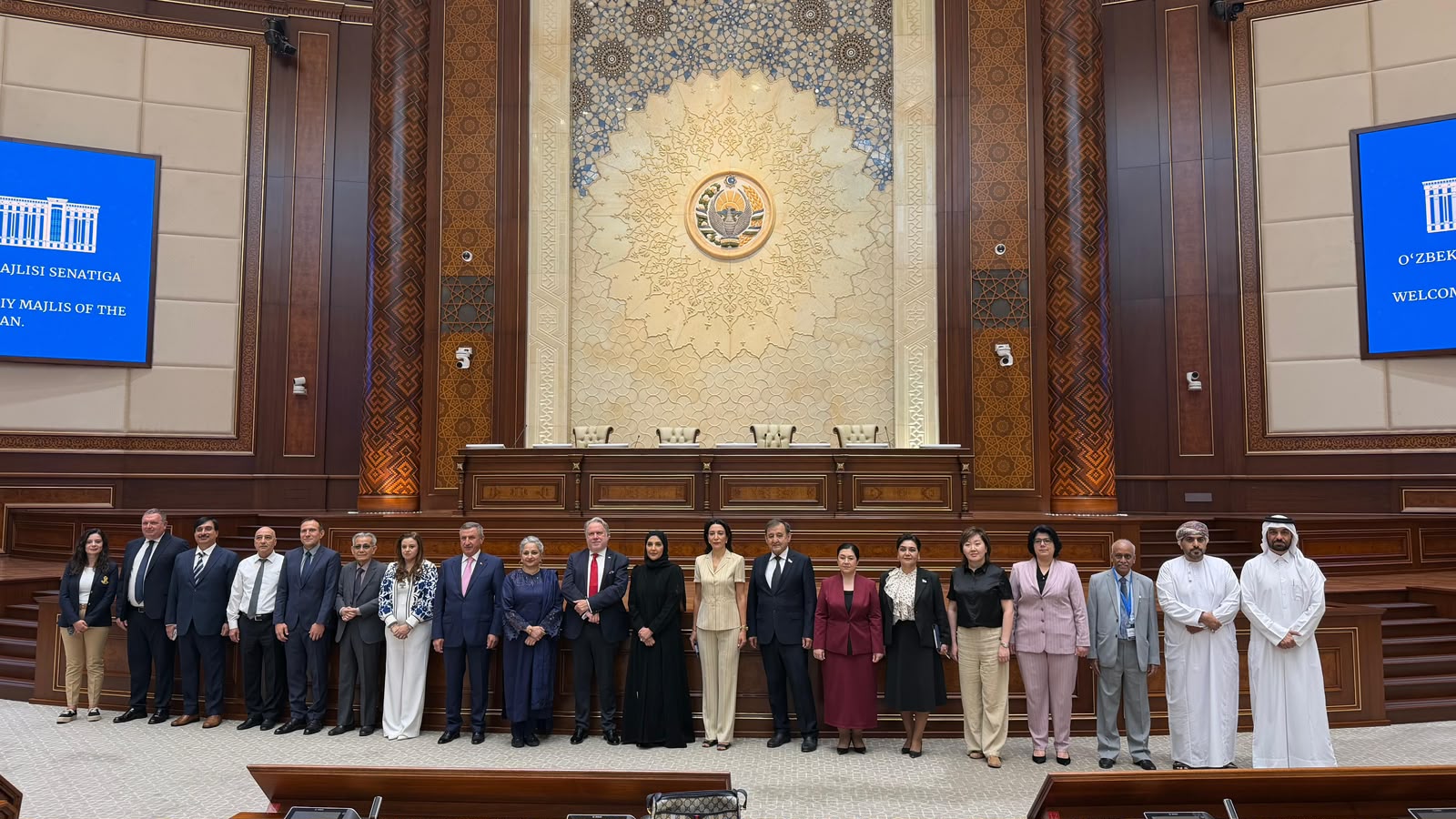
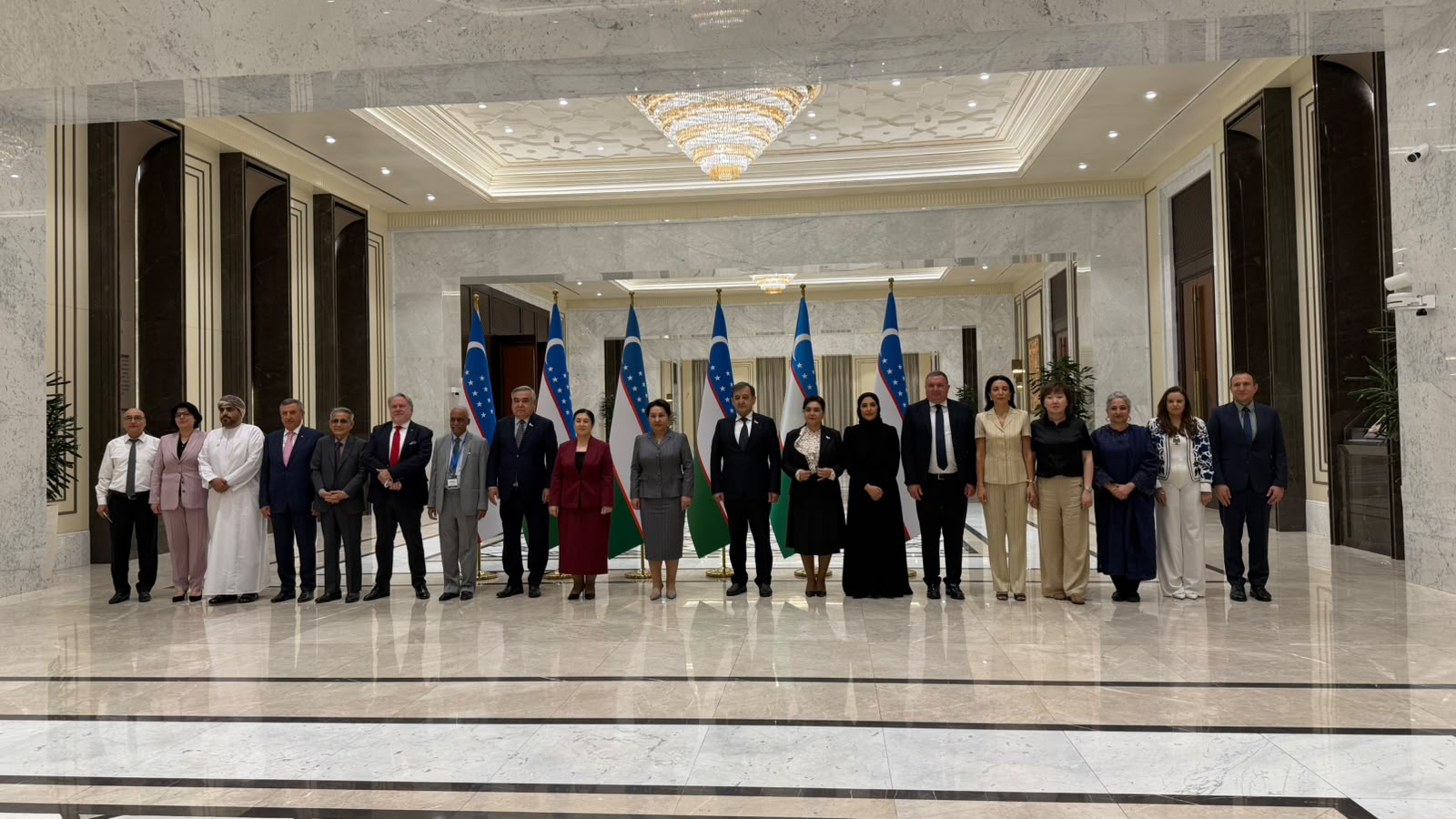
As part of the official programme, Dr. Shireen Farag also participated in a meeting at the Senate of the Republic of Uzbekistan, chaired by Ms. Tanzila Narbayeva, Chairperson of the Senate, together with representatives of national human rights institutions and ombudsman offices from participating countries.
The meeting focused on strengthening cooperation between parliaments, ombudsman institutions and national human rights institutions, exchanging good practices, enhancing direct engagement with citizens, improving mechanisms for addressing complaints and strengthening legislative and institutional frameworks for the protection of human rights.
The discussions also provided an opportunity to exchange perspectives on the different institutional models for human rights protection, including the collegial National Human Rights Institution model adopted in Egypt and the Parliamentary Ombudsman model in Uzbekistan, while emphasizing the shared objective of strengthening human rights protection, accountability and access to effective remedies.
The participation reflects the National Council for Human Rights’ commitment to expanding international cooperation and exchanging experiences with peer institutions on emerging human rights challenges, particularly those associated with digital transformation, artificial intelligence, digital inclusion and the rights of persons with disabilities.
 English
 Arabic
 French